
The Murder of Judy Lord: Cold Case Solved
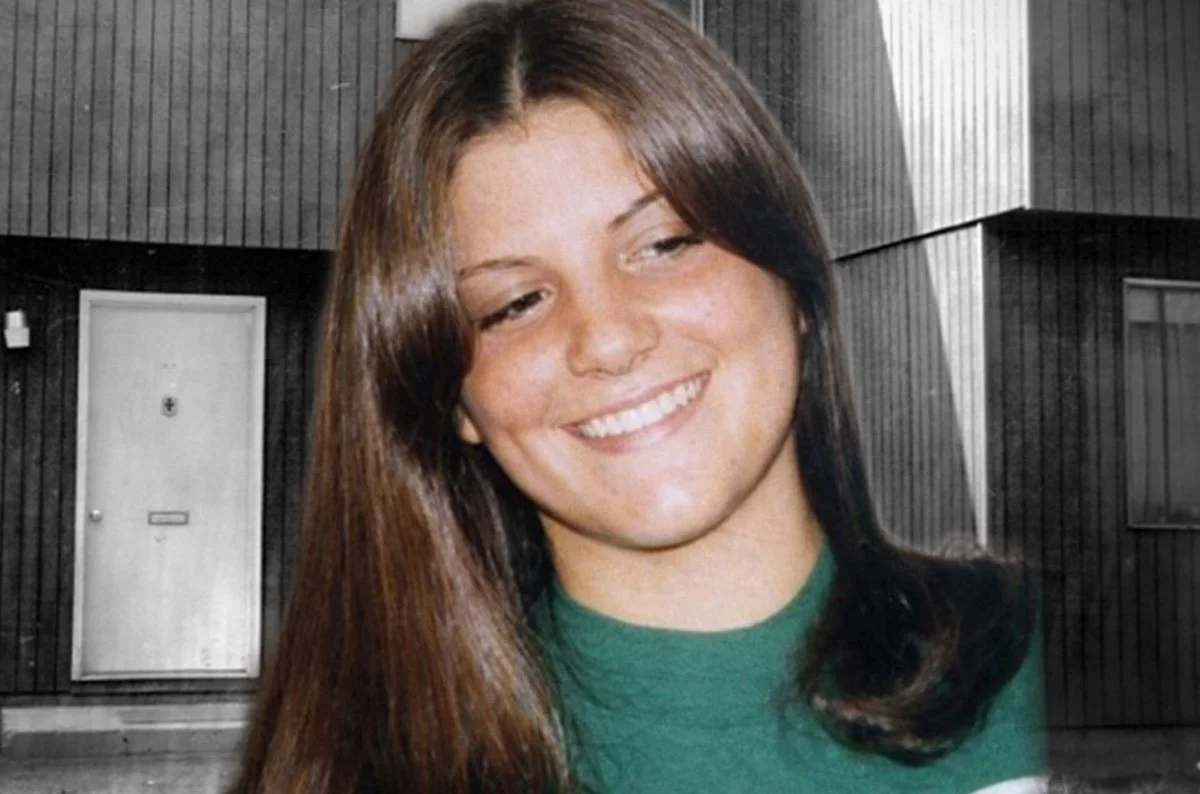
Judy Lord’s early life
Judith Lord, who went by Judy, was part of a big family... a huge family. She was child 11 of 14—4 boys and 10 girls. She was born in Maine in 1953, and in the earliest years of her life lived in a small town north of Bangor called Old Town. Judy was 11 years old when she and her family moved south to Weare, New Hampshire.
She was described as being “quiet and thoughtful.”
Shortly after high school, she met a young man named Gregory Lord, who was one year her junior, who had already enlisted in the Army. He was home on leave when their romance began. She was probably 18, and he was 17. The next year, Greg was transferred to a base in Georgia. It was during one of these trips home that Judy became pregnant with their future son. In early 1973, Greg and Judy got hitched in a small ceremony at his grandmother’s home.
Judy eventually joined Greg in Germany where he was stationed, and it was there she would give birth to a young healthy boy that they named Greg Jr.
It was during this period of time that the cracks in her relationship with Greg began to appear.
Greg left the Army and they returned to New Hampshire in October of 1974, finding an apartment in downtown Concord on Spring Street. Greg found a job as an attendant at the New Hampshire State Hospital. Judy watched their infant son and worked part-time as an aide at McKerley Nursing Home.
In the last weekend of March of 1975, Judy and Greg moved again, this time to be close to Greg’s grandmother in Concord Gardens. Judy was a hit in the community, being described as popular with residents and having many friends, despite the short period of time she lived there.
One of the most enduring images of Judy from those who knew here was her playing guitar on the front steps while her son played on the lawn. She was described as have an angelic voice and making up new songs on the fly.
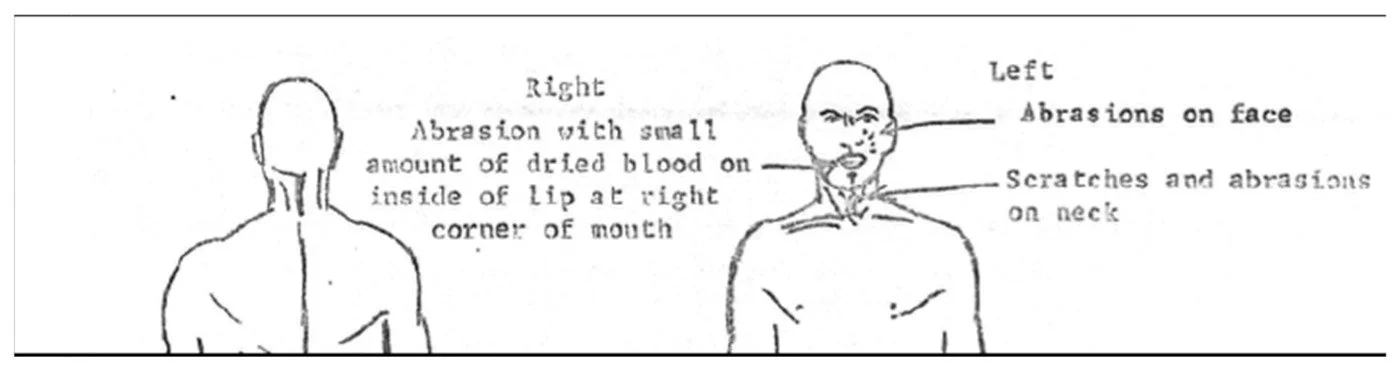
On May 4th, 1975, a call came into the Concord PD about a domestic disturbance. As quoted directly from a report produced by the New Hampshire Attorney General’s Office, “The officers observed visible injuries on Ms. Lord, including two black eyes, a lump on the back of her head, and dried blood around her mouth. Mr. Lord was arrested the next day pursuant to a warrant for Simple Assault. He entered an immediate guilty plea and was fined $100.”
Greg moved out, but he didn’t go far, moving in with his grandmother in the next building over, just 200 feet away from Judy’s front door. Greg took nearly all the furniture and left Judy with only a bed and the baby’s crib.
The Murder of Judith Lord
At 12:30PM on the afternoon of Tuesday, May 20th, 1975, Joseph McVey was out knocking on doors looking for rent money—he was the rent collector for Concord Gardens. He knew that Judy paid weekly. He knocked on her door, but there was no reply. He could hear a baby crying inside. After waiting for a bit, he decided to get a key from the office. Back at the door, with key in hand, hearing the baby’s cries, he decided to enter. He immediately found her 20-month-old son Greg Jr, who was on the first floor, so he ventured upstairs to find Judy. When he entered the bedroom, he found Judy lying motionless on her bed, with blue plastic clothing her face. He moved the garment and realized that Judy was dead.
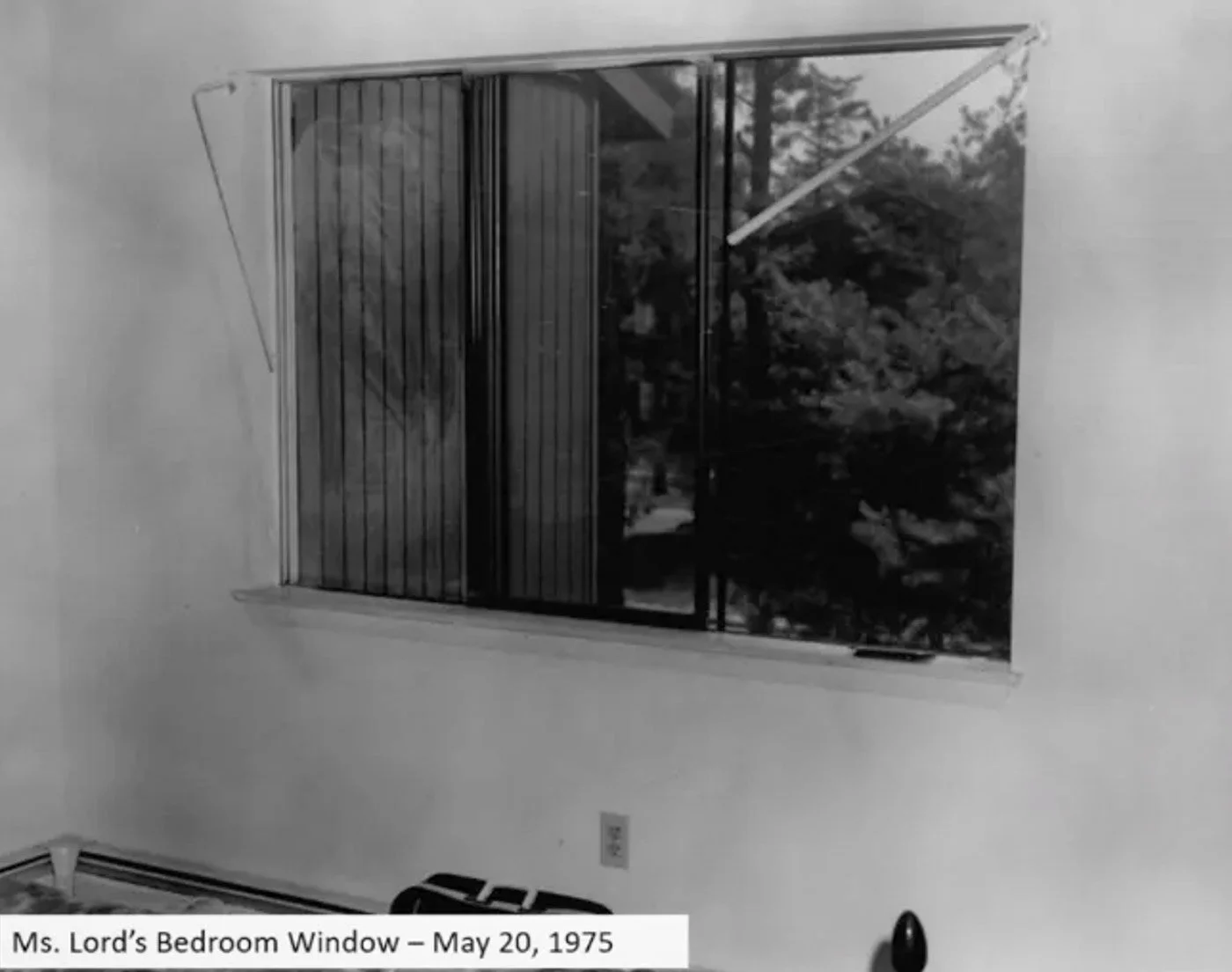
He called police, who responded right away. The baby was taken to safety and the apartment was cordoned off as a crime scene. Investigators found no sign of forced entry at either the front or the rear door to the apartment. But they did find some fingerprints on a window. Investigators theorized that the murderer could have entered through that front window.
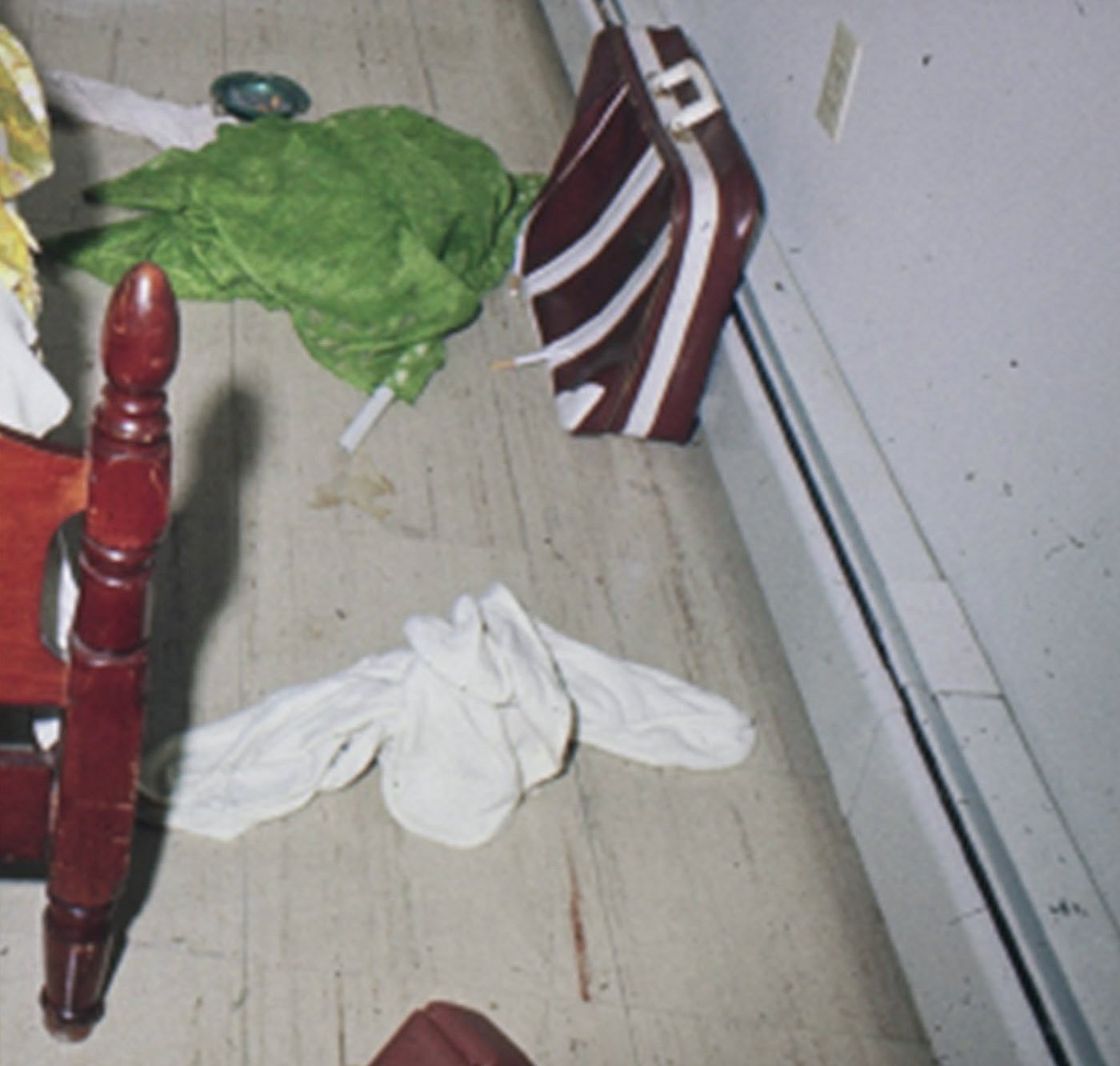
Upstairs there were signs of a struggle. A green curtain had been pulled from the wall and laid on the floor, with a portion of the broken curtain rod still inside it. There were broken cigarettes scattered on the floor and the bed. On the floor was a small mirror and a lampshade—just the shade, not the lamp itself. Most critical to the investigation was an alarm clock knocked to the floor which had stopped at a particular time—1:47AM.
Turning to the bed, there was Judy’s body, which, after removing the bed linens, was revealed to be completely naked. She was lying on her back. Her throat had red marks on it that strongly suggested strangulation. There were scratch marks on her face, which appeared to have been made by someone with long nails. There were bruises on her body. Investigators determined the blue plastic material was a sauna jumpsuit to promote sweating. There were stains on the pillows. There was a crumpled, unsmoked, Marlboro cigarette found on the linens covering her body. But most importantly, they found hairs in and around her body—one from her left hand, one from her lower abdomen, and three from the bedsheet on which she was laying.
Realizing that they were likely dealing with sexual assault, they began searching for signs of semen, and they found it. There were two towels on the floor—a purple bath towel, and a white baby towel. The white baby towel had two stiff stains on it, consistent with semen. The purple bath towel had three hardened stains, and it was damp, which suggested that Judy had used it to take a shower. Investigators were starting to come up with a theory of the timing. Judy got home late Monday night, took a shower, started getting ready for bed, and was attacked.
Police collected the two towels, the blue sauna suit, her purse, and her bedding as physical evidence in the case and began to interview Judy’s friends and family to understand the details of her final movements.
Judy’s final day
Monday, May 19th, 1975 was 22-year-old Judith Lord’s final day of life. That afternoon she went with her husband, Greg, to the bank to cash her final paycheck from McKerley’s Nursing Home.
Between 8:00PM and 10:30PM Judy played outdoor volleyball behind her apartment building with a group of neighbors. Linda Gable and another friend, Jeff, were two of the players. Linda lived right next door to Judy with her husband, Ernie. Linda, Jeff, and Judy went back to Linda’s apartment for coffee, and while there, Judy realized that she had left the back door of her apartment unlocked, and she was worried about her safety. She asked Jeff if he would walk the apartment to confirm that it was empty. They walked over together and she waited outside while he went through her place. He found nothing amiss, so she snagged three cans of Pepsi from her fridge, locked up, and returned to Linda Gable’s place with him.
Around 11:30PM, Judy left Linda’s to return home for the night.
At midnight, Linda could hear the shower running from Judy’s apartment.
This narrowed the scope of the investigation considerably¬—police had learned that Judy was attacked and killed sometime between midnight and 1:47AM, the time that her clocked had stopped, a window of just under 2 hours.
Honing in on a suspect
The medical examiner summoned Greg Lord to his office on Tuesday evening to examine his nails. They were very short, “bitten down.” This seemed to be a habit of Greg’s and not a response to the murder.
Though they wouldn’t have the results for a while, the semen on the towels were tested. This was 1975, before the DNA era, but blood type and something called “secretor” vs “non-secretor” could be determined from semen. Investigators learned that the semen came from either a Type B or Type AB secretor. Greg’s blood was Type A—it wasn’t a match.
And then there were the hairs that had been recovered from Judy’s body. They did not appear to come from a white male, but rather from a Black male, which caused them to look carefully at the neighbor who lived right next door—Ernest Gable.
Ernest Gable
Though he was known to his friends as “Ernie Gable,” we will use his full first name, “Ernest,” to refer to him.
Ernest’s name came up to police immediately in talking with Judy’s friends and family. Fellow employees of Judy told police that Judy was afraid of Ernie—that he was always hanging around her doors and windows—that he was always bothering her. Her sister said the same thing. He was creepy. She had no interest in Ernest, and she made it clear that she wanted him to leave her alone. He was, however, unavoidable, especially since she was friends with his wife, Linda.
The day of the murder, investigators spoke to Ernest about what he knew. He said that he arrived home around 12:45AM, which was square in the middle of the timeframe in which police believed Judy was killed.
Police checked on Ernest’s alibi. They spoke with his coworkers. He had been working at the Hazel Green Restaurant in Concord until 8:20PM. He then spent some time in their downstairs lounge and an upstairs apartment until last call, which happened as 12:30AM. He was given a ride home by his coworker, who said that they dropped him off at 12:45AM, just as he had said.
On Friday, police got a major break in the case, and they sat down with Ernest again. They confronted him with some new information—they had matched the five fingerprints from Judy’s window to him. He had no explanation for how his prints could’ve gotten there and had become increasingly nervous. He was scratching his ear and his stomach with enough force to draw blood in both areas. This drew the investigator’s attention to his long nails.
Ernest then ceased cooperating with the investigation.
Closing the Case
Law enforcement told the Concord Monitor that an arrest in Judy’s case was “imminent.”
But in a report dated December 16, 1975, the FBI’s forensic laboratory, using the technique of microscopic hair comparison, concluded that the hairs from the scene were “microscopically different” from Ernest Gable’s and “did not originate from him.”
Concord PD was dumbfounded—all of the evidence had told a clear story of what had happened, and now this bombshell...
It was a paradox that would halt all progress on the case for 28 years.
In 2003, the semen-stained towels, which had been retained in police evidence, were sent to the New Hampshire State Police Forensic Laboratory to test them for DNA. A partial profile was successfully gleaned, and they already had a full profile for Ernest Gable. A comparison was made. It was a match—not a 1 in a quintillion match, but a very specific match—1 in 6.5 million amongst only the Black population. This put Ernest’s semen in the room with Judy.
In November of 2025, the NH AG’s office called a press conference. They had an important announcement in the Judy Lord case—they considered the case closed. Ernest, they said, was the culprit, and they said that they could prove it beyond a reasonable doubt in court.
No new forensic work was cited in the report beyond the DNA testing conducted in 2003.
The only thing that had changed in the 22 years since 2003 was about microscopic hair comparison science.
It turned out that science, touted as the latest and greatest in forensic technology in 1975—it was bunk.
This is a quote from the New Hampshire AG’s report.
“In 2015, the U.S. Department of Justice and the FBI formally acknowledged that nearly every examiner in the FBI’s microscopic hair comparison unit had provided flawed testimony or reports that overstated forensic matches ... in more than 95% of the cases reviewed.”
Typically, the conclusions drawn by FBI hair examiners would favor the prosecution, but in some cases, like in this case, it favored the perpetrator.
According to the Innocence project, the FBI internally reviewed 500 cases in which a hair analyst gave testimony, of which, 35 of those resulted in a guilty verdict with the death penalty invoked. In 33 of those 35 cases, the hair analyst provided inaccurate testimony—testimony that might have literally killed an innocent person.
But to return to Judy’s case, the report from the FBI in 1975 that compared the hair collected from the scene to biological samples from the suspect was simply wrong. It was Ernest’s hair. It was just bad science.
The AG’s office outlined the statutes in New Hampshire that were in effect in 1975 and said that they would have charged Ernest with first-degree murder. The portion of the statute that they pointed to in order to support the first-degree charge was that the offender was in the commission of a rape when the murder occurred, which is true.
But they would never get that chance, because Ernest Gable was dead. He was murdered in 1987.
Elwood, Illinois: The 1977 Murder of Alice Sturm
The report for the AG’s office mentions briefly in their report that Ernest was arrested and charged with murder in Illinois in 1977, but that they couldn’t locate any information on the case. The report states, “Despite extensive efforts by cold case investigators, no official reports or records could be located to explain the circumstances of this arrest or its dismissal.”
Well, we found it with a little elbow grease and some digging.
This information about Ernest’s prior arrest for murder in 1977 and the case of Alice Sturm has never before been reported in relation to the murder of Judy Lord. This episode is the first time these dots are being connected. It turns out, those records do exist. And we have them. We are currently going through them right now and will bring you more on Alice’s case shortly.
In September of 1977, an 84-year-old woman named Alice Sturm in small-town Elwood, Illinois, was murdered in her home. She had been stabbed at least 10 times in her chest, heart, lungs, abdomen, and liver. “Asphyxial compression of the larynx” was another contributing factor in her death. She was found dressed in her nightgown, lying on her back, with a pillow covering her face. There was no sign of forced entry.
She lived with her adult granddaughter, Sheila Harrigan, who was 38 years old and had mental health issues. The crime occurred either late Friday night or early Saturday morning. Alice’s son found the body after receiving a telephone call from his daughter, Sheila, on Saturday morning. Alice was pronounced dead at 8:50AM. A large butcher knife was recovered, believed to be the murder weapon. The murder happened on Sept 24th. The granddaughter, Sheila, was charged with murder three weeks later, on October 18th. Ernest Gable was charged with murder the week of October 24th. He was held with a $100,000 bail. A newspaper, contemporary to the murder, wrote, “According to initial reports available, Sheila and Ernest were friends.”
According to the report issued in 2025 by the Cold Case Unit, prosecutors in Illinois inexplicably dropped the charge against Ernest one month later, on November 28th, 1977. Sheila was ordered to undergo psychological testing to determine whether or not she was competent to stand trial—in its most basic sense, was she able to cooperate with an attorney in her own defense and understand the proceedings that were unfolding. It’s unclear how that turned out, but we do know that Sheila was not in jail as of 1994, when she was the subject of a conservatorship order. Though it appears on no lists, it is very likely that Alice Sturm’s case remains unsolved even today.
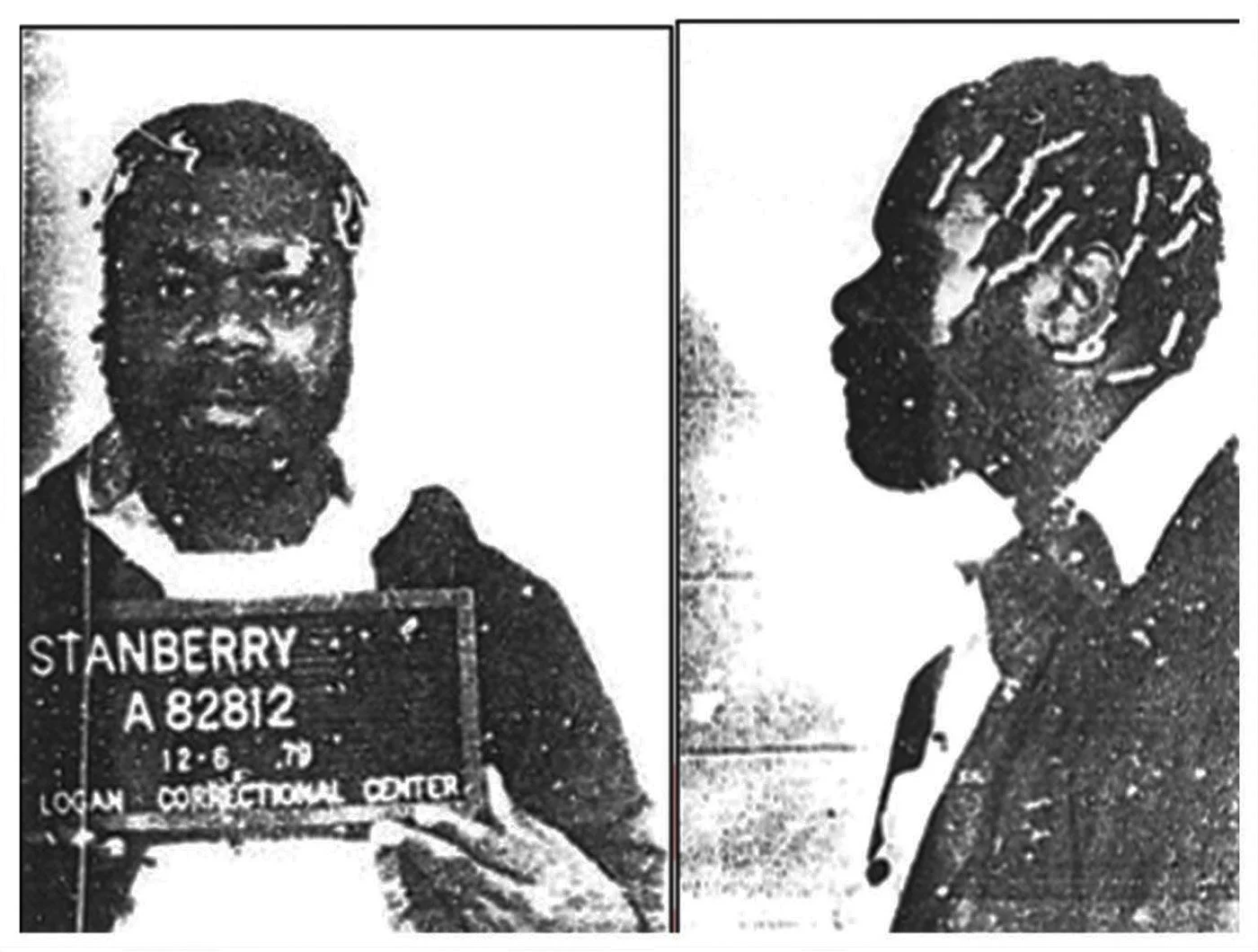
We dug a lot into Ernest’s life and other crimes. You can learn more about Ernest Gable, aka Ernest Stanberry, or Earnest Stanberry, in the audio episode linked in this post or on any podcast platform.
Judy Lord: Frozen in 1975
Judy’s son, Greg Jr. shared a message at the AG’s press conference where they were announcing the closure of the case. This is what he said,
“I was young. I always keep her memory inside my heart. She will always be with me. I’m told I look just like [her], and I’m proud of that. I’ve been through a lot in my life, and in the dark times, I’ve always thought of my mom.”
Judy Lord was 22 years old at the time of death. She had a child depending on her. She had the rest of her life ahead of her. But she is frozen in 1975, remembered holding a guitar, singing songs of her own creation to her young son, her long brown hair parted in the center.
Continue Judy’s story: Listen to the podcast episode. This text has been adapted from the Murder, She Told podcast episode, The Murder of Judy Lord: Cold Case Solved. To hear Judy’s full story, find Murder, She Told on your favorite podcast platform or listen on the player at the top of the page.
Click here to support Murder, She Told.
Connect with Murder, She Told on:
Instagram: @murdershetoldpodcast
Facebook: /mstpodcast
TikTok: @murdershetold
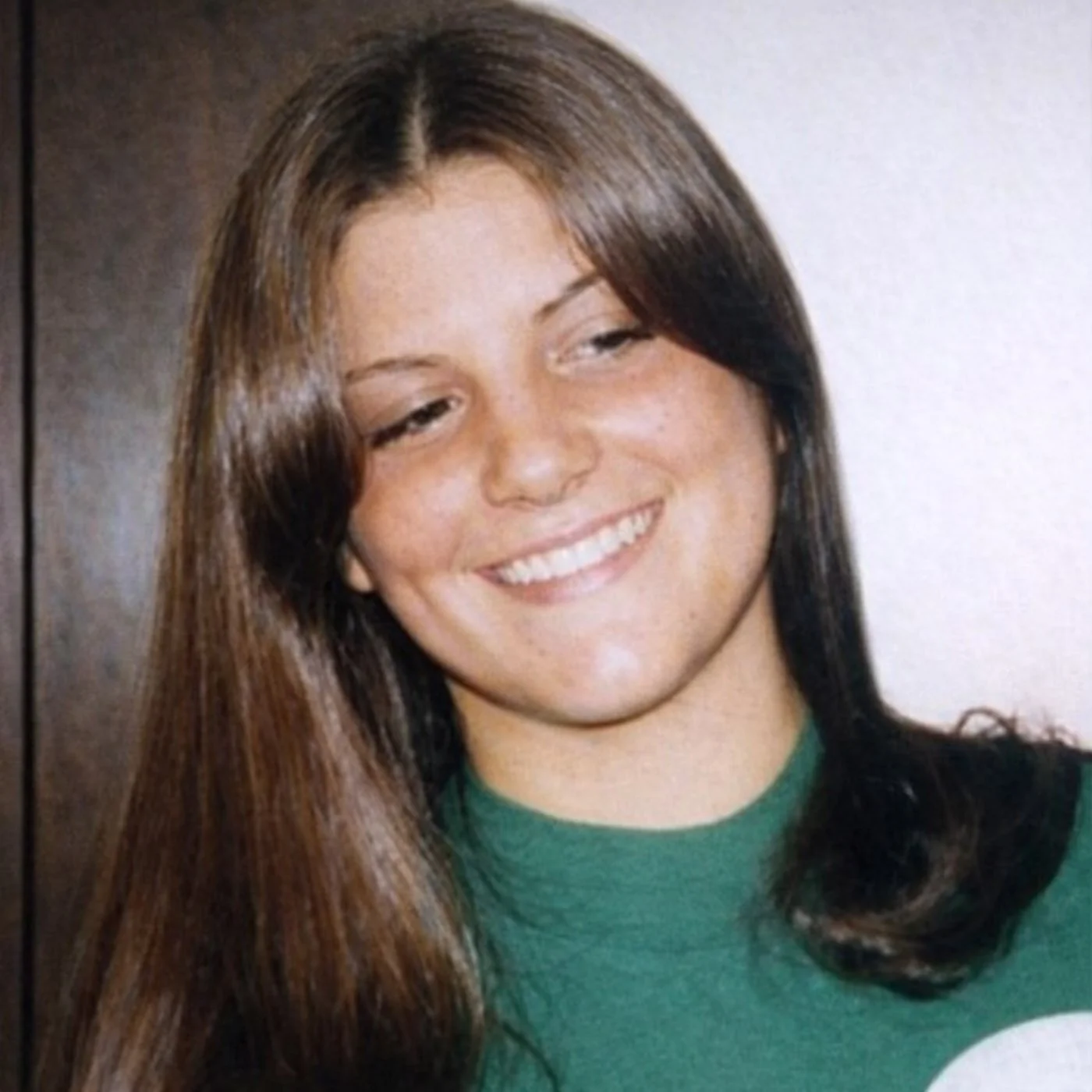
Judy Lord, enhanced and edited by Murder, She Told
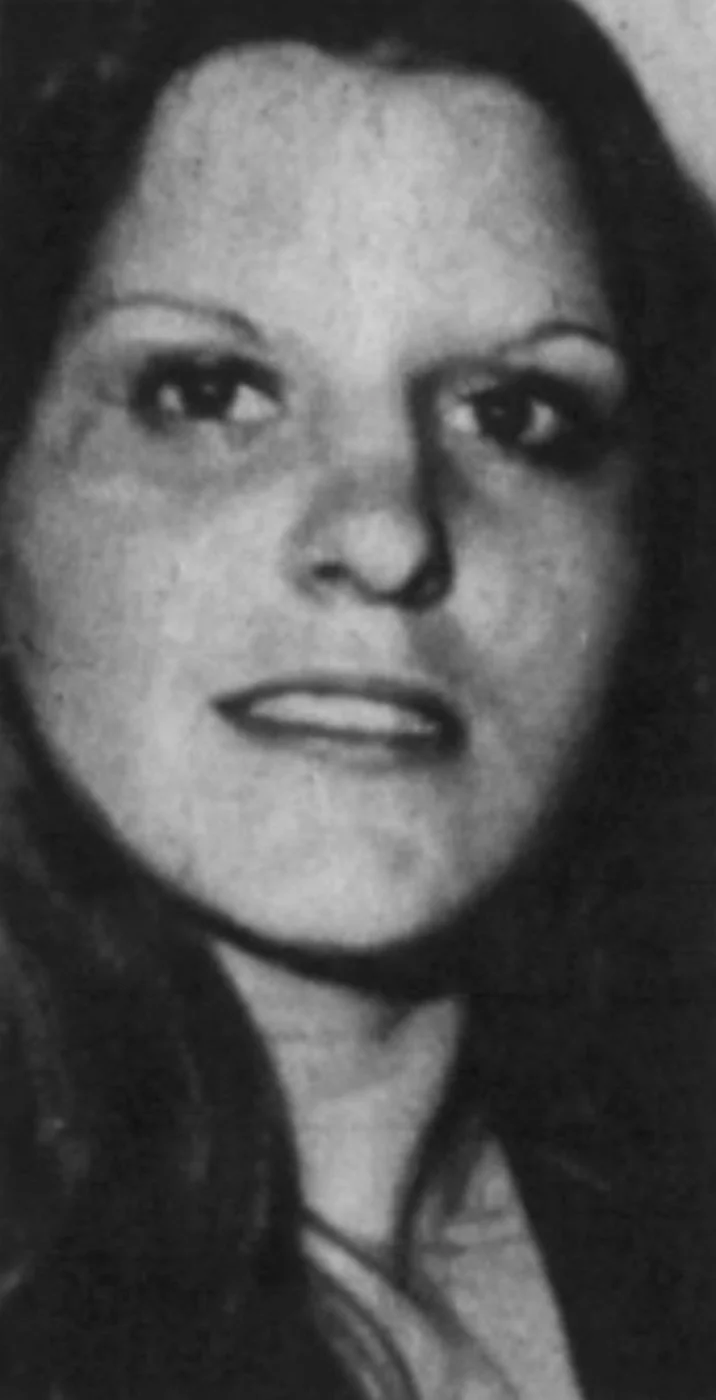
Judy Lord (Concord Monitor)
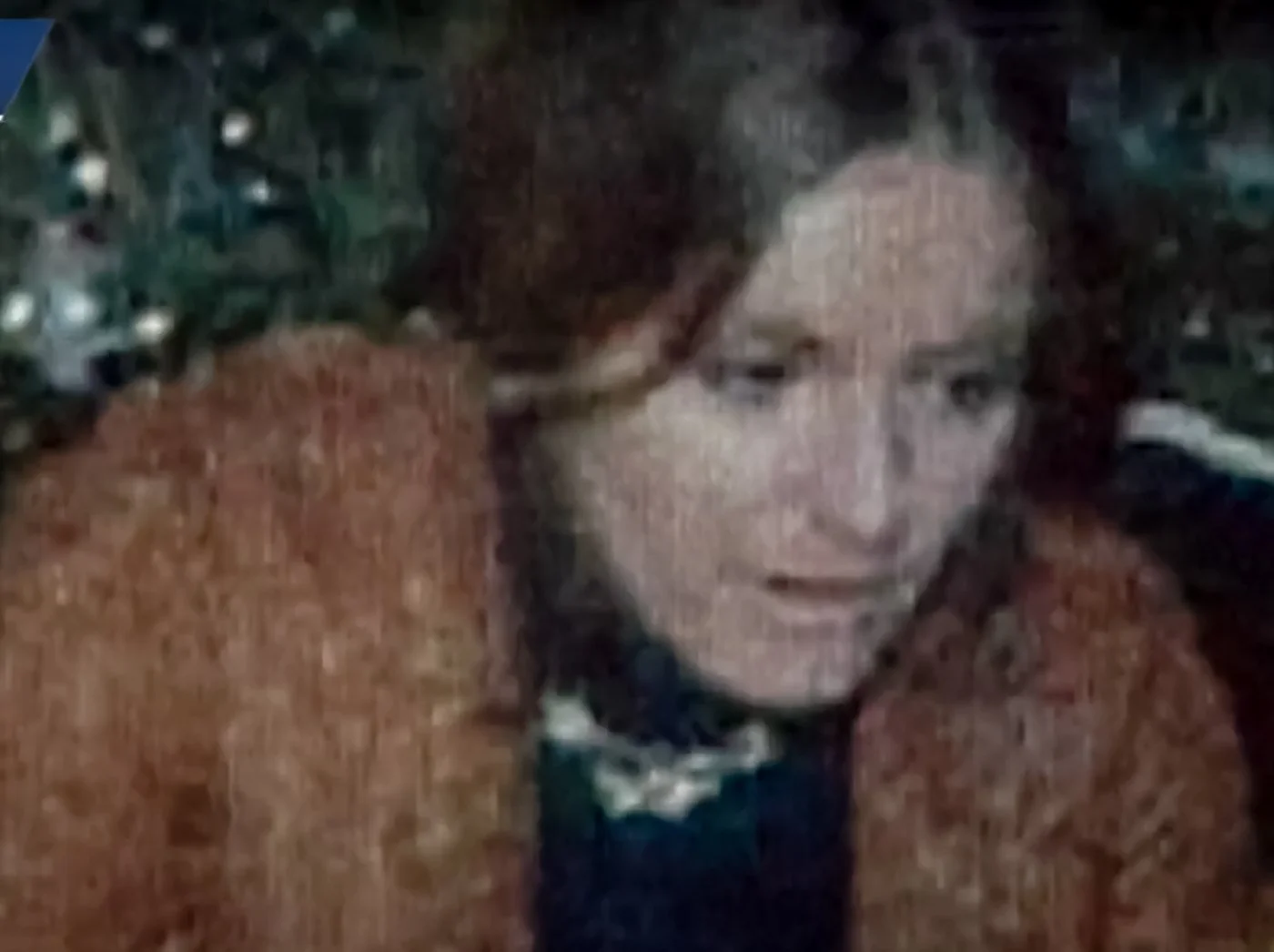
Judy Lord (findagrave.com)

Judy Lord, taken May 17, 1975 (NH AG's report)

Judy Lord, taken May 17, 1975 (NH AG's report)

Judy Lord, taken May 17, 1975 (NH AG's report)
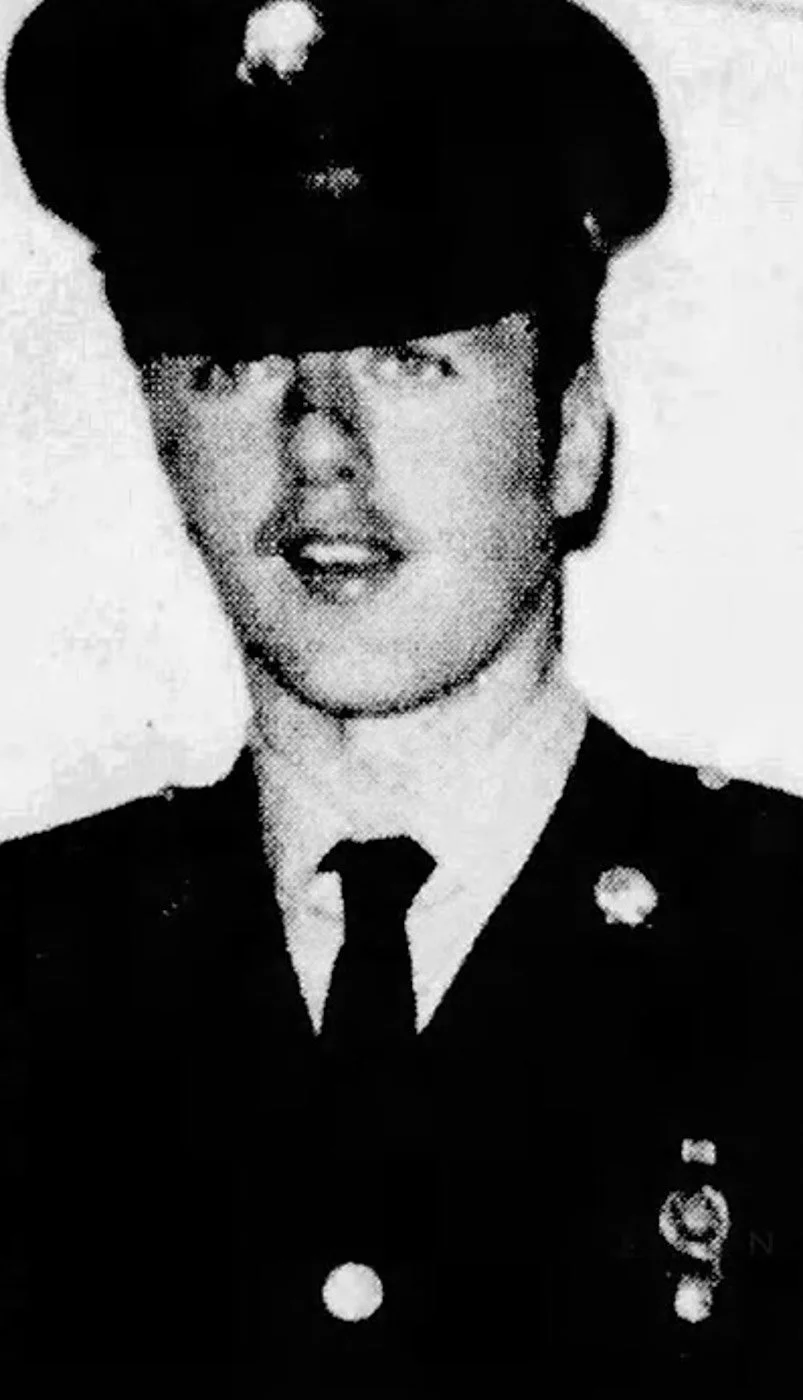
Greg Lord, ~18, being transferred to Germany (Concord Monitor)

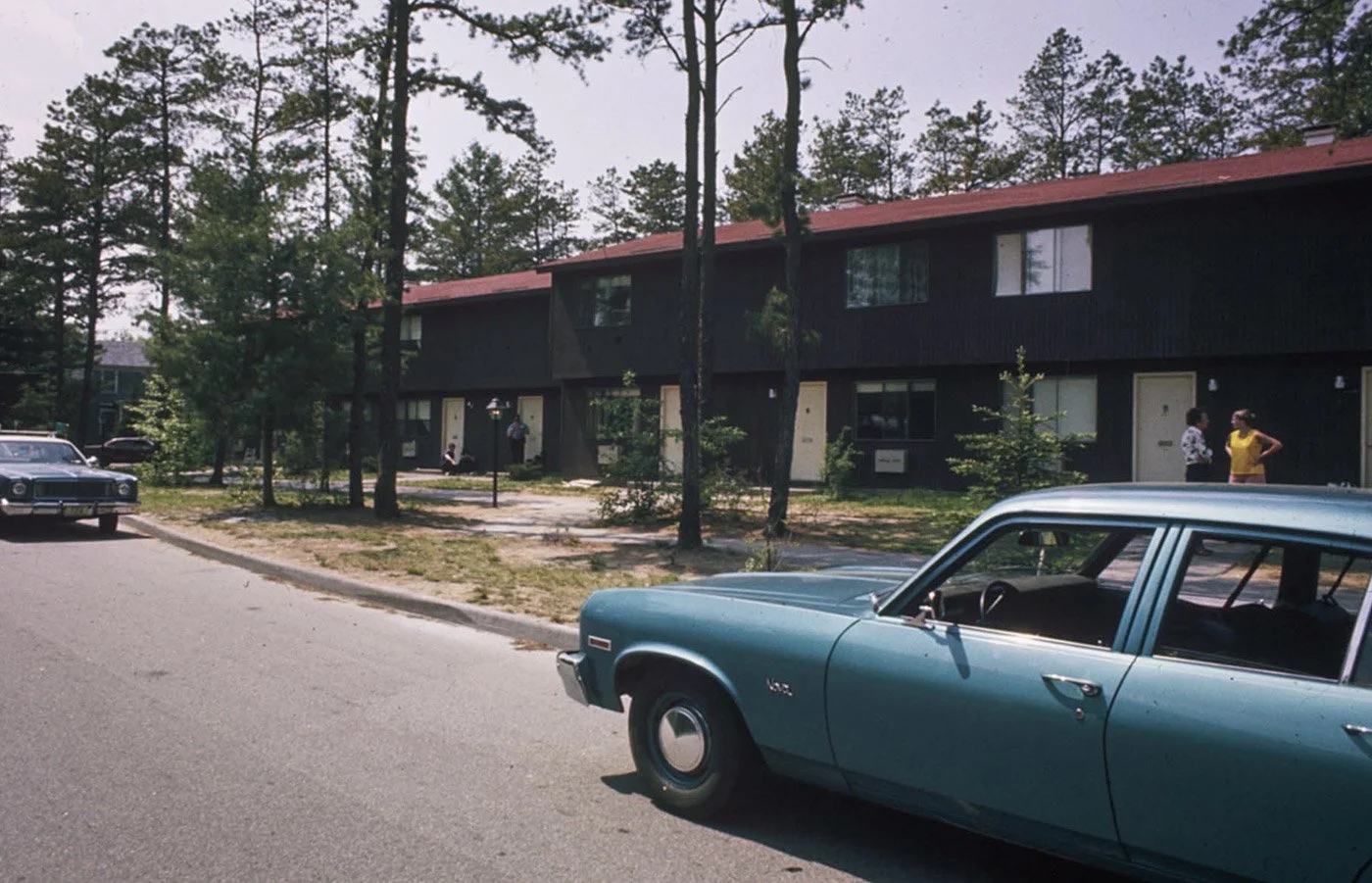
Concord Gardens, ~1975 (NH AG's report)
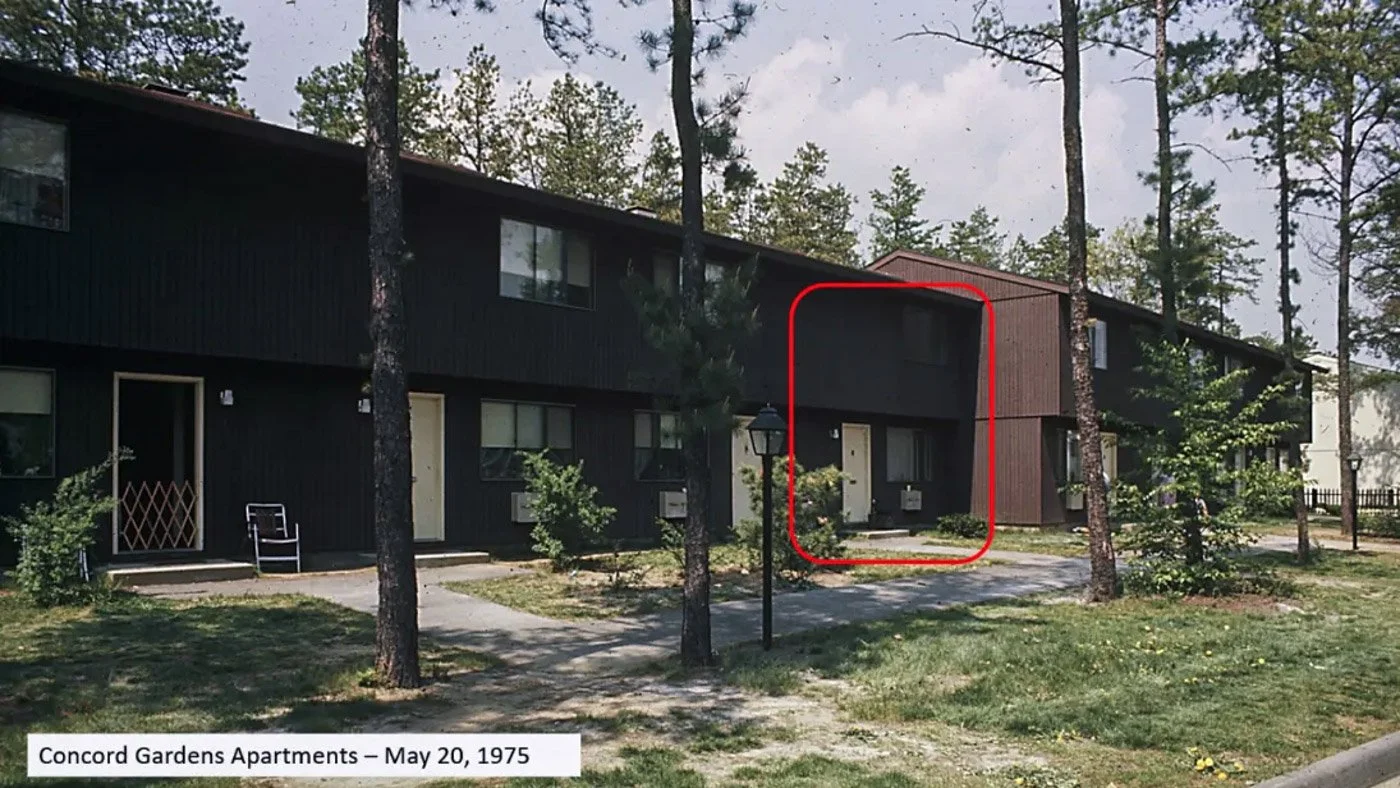
Concord Gardens, ~1975 (NH AG's report)

Judy Lord’s apartment unit, Concord Gardens, Building 19, Apartment 4 (NH AG’s report)
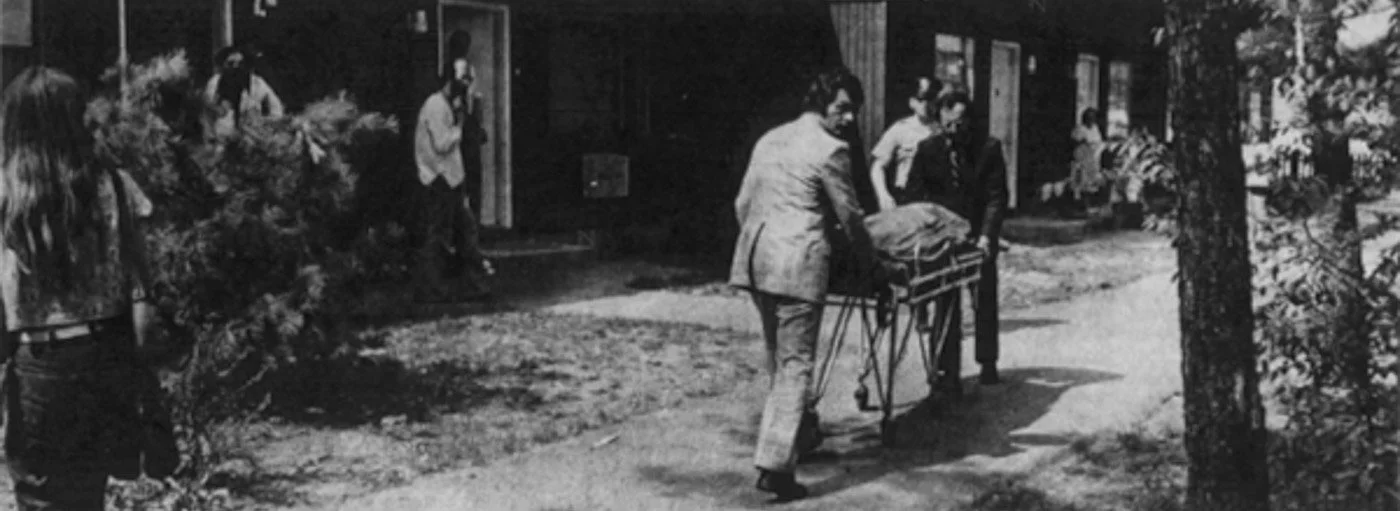
Crime scene, Judy Lord's body being removed (Concord Monitor)
Excerpt from autopsy report of Judy Lord (AG’s report)

Crime scene, fingerprints on front window of apartment (NH AG's report)

Crime scene, fingerprints on front window of apartment (NH AG's press conference)
Judy Lord’s bedroom, crime scene photograph (NH AG’s report)
Judy Lord’s bedroom, crime scene photograph (NH AG’s report)

Judy Lord’s bedroom, crime scene photograph (NH AG’s report)

Judy Lord’s bedroom, crime scene photograph (NH AG’s report)

Judy Lord’s bathroom, crime scene photograph (NH AG’s report)

Greg Lord’s hands, photographed by Concord PD (NH AG’s report)
Ernest Gable, aka Earnest Stanberry, mug shot (NH AG’s report)

Greg Lord’s obituary photo (legacy.com)
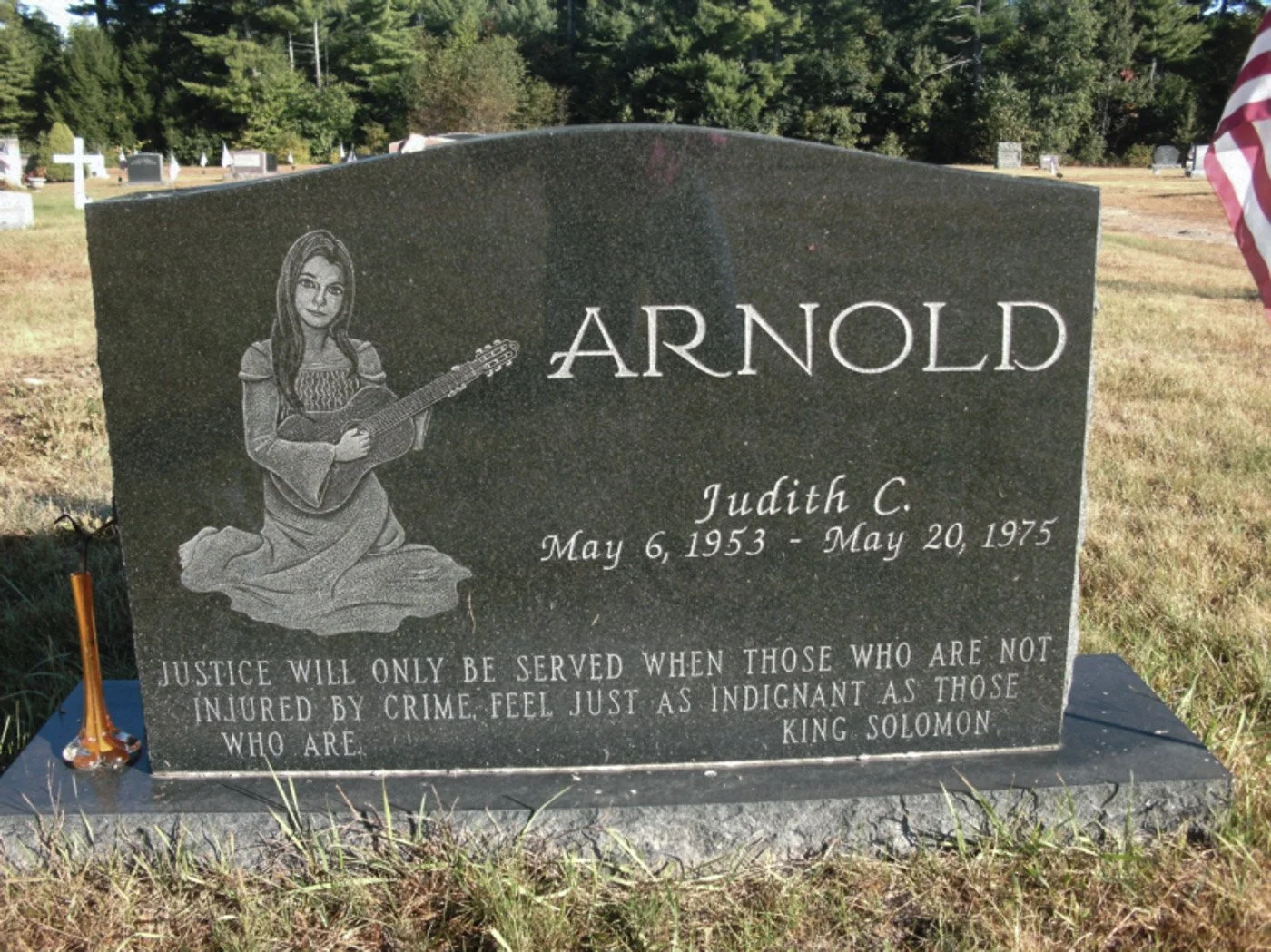
Gravestone, Judy Lord (findagrave.com)
Sources For This Episode
Newspaper articles
Various articles from Bangor Daily News, Concord Monitor, Evening Express, Herald News, Kennebec Journal, Laurel Leader Call, Lewiston Daily Sun, Nashua Telegraph, Union Leader, and the Valley News, here.
Written by various authors including Allison Steele, Annmarie Timmins, Cassidy Jensen, Debora dePeyser, Gayley Gable, Linda Goetz, Sarah Vos, Steven Pearlstein, and Tom Mooney.
Online written articles
'Judy Lord' (NH Dept of Justice), 1/1/2009
'Judith Lord' (Find A Grave), 9/27/2014
'Cold cases' (City of Concord), 5/25/2020
'Judy Lord' (Websleuths), 5/21/2021, by u/Richard
'Who killed Judy Lord?' (WMUR), 5/20/2025
'The murder of a woman on Concord heights…' (Patch), 5/20/2025, by Tony Schinella
Official documents
New Hampshire Supreme Court decision, State v. Doe, Dec. 3, 1975
New Hampshire Attorney General’s office report, November 2025
Photos
Photos as credited above
Credits
Research, vocal performance, and audio editing by Kristen Seavey
Research, photo editing, and writing by Byron Willis
Research by Chelsea Hanrahan
Murder, She Told is created by Kristen Seavey.