The Murder of Alice Sturm
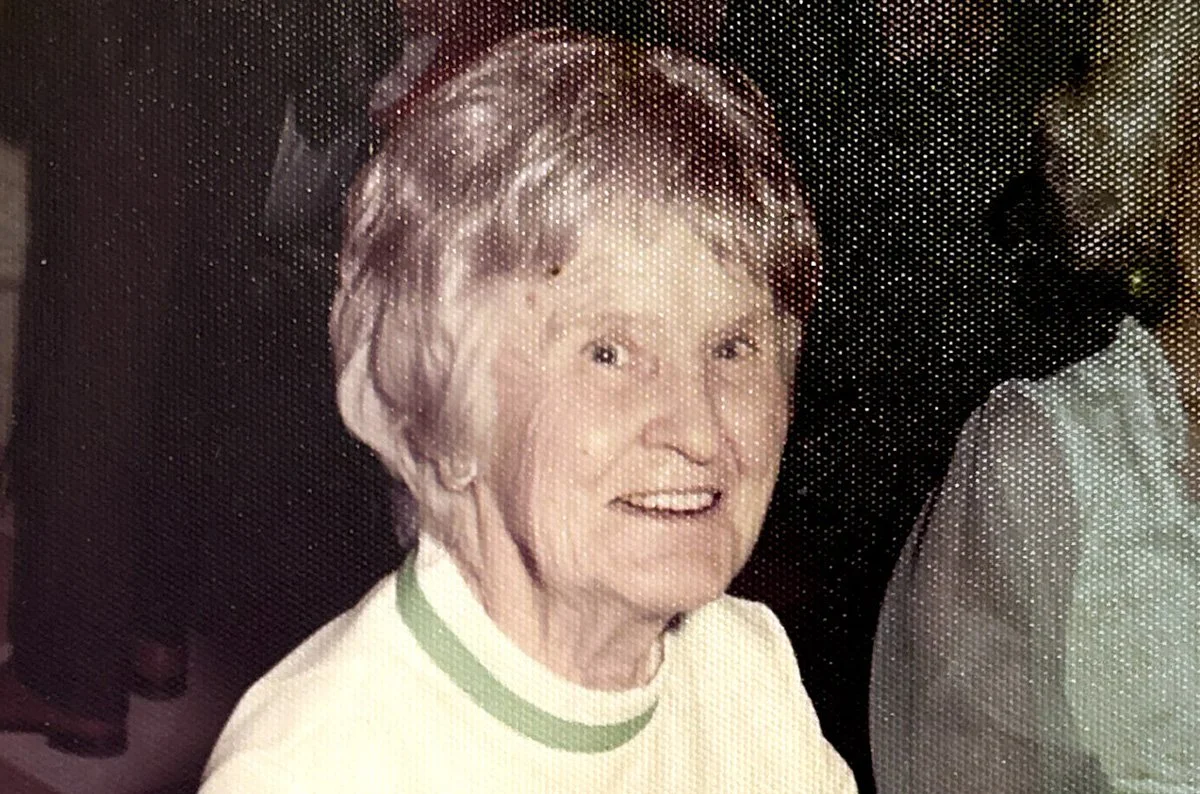
Alice Sturm, family photo shared with Murder, She Told
Connection made Judy Lord and Alice Sturm
This is an unusual case for us. First, because it is in Illinois—our coverage focuses primarily on the New England region. Second, because even if we had stumbled on it, it would appear—from the very limited newspaper coverage—to have been resolved. Even at the time of publication, it is unclear to us whether this case is considered a closed case by Illinois law enforcement. And third, because we don’t have some of the information that we would consider fundamental to understanding a case.
We’re covering it because sharing the information that we have assembled, the dots we have connected, is vital to the family and to the public—we may be able to help solve a murder.
It was these words that captivated me: “Arrested for murder ... [but] the charge was inexplicably dismissed one month later. Despite extensive efforts by cold case investigators, no official reports or records could be located to explain the circumstances of this arrest or its dismissal.” Those words were written in the New Hampshire Attorney General’s report closing the Judy Lord case in Concord, and they were written about the man who killed her—Ernest Stanberry.
The NH AG’s office and other NH officials were unable to determine who the victim was, but through some digging, we were able to find out… and her name was Alice Sturm.
September 24, 1977: The Discovery
John Sturm was 59 years old—just a few weeks shy of his 60th birthday—and he was going to the airport to pick up his younger sister, Vivian, who was coming from Sacramento, California, to spend time with her brother, their elderly mother, and her brother’s family—he had a wife and two adult daughters that leaved nearby. It was a surprise visit—their mother, Alice, had just turned 84 and Vivian was there for a belated celebration.
They returned home in Elwood, IL by 7:30AM and were sitting at the kitchen table drinking a cup of a coffee when the phone rang. It was John’s 33-year-old daughter, who lived right across the street from him. She asked if her mother was there, and John said no and she hung up. 2 minutes passed, and the phone rang again. It was Sheila. “Did you take the television set?” she asked. Sheila lived with her paternal grandmother, Alice, John’s mom. Alice and Sheila shared the TV, and it sat in their living room. John had not taken the TV.
The phone rang a third time. It was Sheila again.
“You better get over to the house quick.”
Sheila had just found John’s mom in bed, dead—she had been murdered.
Sheila was downstairs when they arrived, and they rushed past her, rushed up the stairs to the second floor, where his mom’s bedroom was located. What awaited them was horrific.
After relaying the critical information, John went to talk to Sheila, who was outside at the picnic table. He asked, “Well, who was here last night?” And she said, “Nobody.” John said, “Well, somebody must have been here.”
John likely had a somebody in mind. Sheila was dating a man named Earnest Stanberry, who was somewhat new to town and was living in the city of Joliet, about 15 minutes north of Sheila. He was 26 years old. Sheila was 33 years old.
Alice Sturm and Sheila Harrigan
Sheila had been struggling ever since her divorce. Her husband, Jim, had left her seven years prior, and according to her younger sister, Merrily, “She didn’t want [it to end] at all.” She said, “After they broke up, he forced her on a plane to send her home. And when she got home, she was just heartbroken—she would just sit on the couch, crying.” It really changed Sheila. Merrily remembered her sister leaving Illinois with her new husband for California, filled with energy and hope. This woman who had returned seemed a shell of her former self. After he broke it off, she returned home to Elwood to be near her family.
Sheila had met Jim while she was in high school in Joliet. She was a talented young artist and pursued art at the university level.
Sheila, during this period of her life in her late 20s, according to her sister, “just started making wrong decisions” and hanging out with the wrong crowd.
Sheila was in and out of mental health facilities during this time. Merrily wasn’t sure if they were helping or hurting her.
This continued for seven or eight years.
By 1977, Sheila was living with her grandmother, and things could be tense at times. But still, there was an abiding love in the Sturm family—especially between Sheila and her grandmother Alice.
Alice was only 5ft tall and 90 pounds, but she was a spitfire. Merrily remembered her grandmother as having a good sense of humor—someone who liked to joke around.
Both Merrily and her daughter, Kristi, both remembered that she adored Julia Childs and had fond memories of watching her cooking show together. Alice would regularly make homemade bread. She would even bake miniature loaves for the children. She was a good cook. As an adult, Alice was a housewife and a mother and had raised two children.
Night of the murder
On the evening of Friday, September 23, 1977, at 10:30PM, Sheila said that Alice was watching the Johnny Carson Show in the living room on her small television, but decided to call it a night, going upstairs to her bedroom. Sheila lived on the first floor, and Alice was on the second. Sheila said that she went upstairs to check on her grandmother, and that Alice asked her to turn off the bedroom light because she was ready to go to sleep. After which, Sheila returned downstairs to her bedroom, where she started working on writing a letter. She was writing to a man named Leroy in California.
She fell asleep writing that letter on her bed, and all was quiet.
There were 6 people that were asleep in that duplex. On one side was Sheila and her grandmother. On the other side was Sheila’s sister, her husband, and their two children.
Alice Sturm was murdered in her bed that night, but unbelievably, no one heard anything.
The Early Investigation
At about 8:40AM, Sheila’s father called the police, and an explosion of activity followed.
Sergeant Belt with the Will County Sheriff’s Office took the call and assigned two deputies to respond. They arrived together and went to the upstairs bedroom to check on Alice. She was in the same position that John and Vivian had left her—on her back, essentially nude, with a sheet covering her body and a pillow covering her face. It was a brutal and violent crime. She had at least 8 stab wounds.
Sergeant Watters, after making the same cursory observations as the others, touched Alice’s body and found it to be lukewarm. His observations concluded that she had not been dead for a very long period of time.
Investigator Pederson spoke with Sheila, who told him that Alice was alive and well around 10:30PM the night before, when she last went up to check on her and turn off her light. Investigator Pederson asked Sheila if the doors were locked, and she said no, but she said that if anyone had entered the residence, she would have woken up.
By this point, Technician Andersen was processing the murder scene, labeling and tagging evidence. He found a small, dark, hair located on Alice’s left hand near her wrist. It was photographed, placed in plastic bag, and labeled, as was all the rest of the evidence. A lamp on the end table near the bed, he noted, was on. There was a small wind-up alarm clock sitting on the end table, and the alarm was set for a time just prior to 5:00AM. The button on the back of the alarm had been pushed in, which suggested to Investigator Anderson that the alarm had gone off, and that it had been turned off. He also got the impression from the appearance of the bed linens that Alice was not sleeping under the covers when the attack occurred, that, rather, she had already been up and somewhat tidied the bed.
While interviewing Sheila, Sgt. Watters struggled to obtain, what he would consider, reliable truthful answers from her. Among other things, Sheila said, “Whoever put those envelopes [in the living room] was responsible for the death of my grandmother.” Although Sergeant Watters didn’t know it yet, those envelopes and clothes were placed there by Sheila’s mother, the morning of the murder. Minola later told police that she went over at 6:45AM to drop off some clean clothes for Sheila and some mail. She arrived and noticed the back door slightly ajar, so she simply walked into the house and placed them down in the living room where the TV had once been—Minola didn’t notice it was missing. Minola saw Sheila asleep on her bed. Minola left as quietly as she had come.
As Sheila was being interrogated, Deputy Rathbun went to 511 Chase Ave in Joliet to interview Earnest Stanberry. Earnest said that he had last seen Sheila 6 days prior, on Sunday. He said that last night, the night of Alice’s murder, he had been out drinking with his cousin, Booker, until 3:00AM. Rathbun asked Earnest if he would allow him to collect some hair samples, and he consented, giving the cops a head hair and a beard hair.
Alice’s cause of death was determined to be the “stab wounds to the chest, heart, lungs, addomen, and liver” with “asphyxial compression of the larynx” a contributing factor.
The case against Sheila
About 2 weeks after Alice’s death, Sheila was committed to Saint Joseph Hospital by her family.
10 days later, Sheila was approached by two officers who arrested her at the hospital and took her to Will County Jail where she was processed. They had a warrant for her arrest for the murder of her grandmother, Alice Sturm.
At this point the court ordered psychiatric testing and observation to determine whether Sheila could be found legally competent to stand trial—a very low standard of mental fitness, only requiring that a person be able to cooperate with their own attorney and to be capable of participating in their own defense.
Sheila had been assigned a public defender and entered a plea of not guilty, but the evidence against her was adding up.
Sheila had no alibi. She was home, and she said that she would’ve heard someone enter the home. Even her mother told police that Sheila had trouble with sleeping and that she tried not to disturb her when she was asleep.
There was a major conflict between Sheila and her grandmother at the time of the murder—she had lost her grandmother’s car to Earnest, and her grandmother was furious about it.
Sheila was unstable. She had a 7-year history of mental health issues including several hospitalizations. Some of those commitments were related to violence.
There was also the violent incident with the cop that she had assaulted, and the history with Will County Sheriff’s Office, responding to the Sturm residence for various incidents involving her.
There were the strange outlines of a motive—Sheila had said in her interview that as long as her grandmother was alive, she was stuck living with her, and that she dreamed of returning to Leroy in California.
But perhaps, most of all, cops were frustrated with their inability to get simple truthful statements from Sheila. A week after Sheila’s arrest, there was an inquest jury that was assembled, and this was their conclusion — “We, the jury, from testimony submitted, find this to be a homicide done by Sheila Harrigan.”
But as quickly as the case against Sheila was made, it was dropped.
We are seeking additional records that may shed more light on the details of this decision, but my guess is that the cops charged Sheila before going over the case with prosecutors. Once the prosecutor’s office started looking at the case and its viability at trial, they most likely decided to overrule Will County Sheriff’s Office and drop the charges because they didn’t believe that they would prevail at trial.
But Sheila was not the only one charged with murder. So was Earnest Stanberry.
The Murder of Judy Lord and Earnest Gable (aka Stanberry)
Although the Illinois cops didn’t know it, Earnest was the prime suspect in another murder—the Judith Lord case in New Hampshire.
Judy Lord was murdered on May 20th, 1975. Alice was murdered in October of 1977, just two-and-a-half years later.
When Earnest moved to Illinois, he started going by a new name. In New Hampshire, he was known as Ernest Gable. In Illinois, he returned to the name given to him at birth, Earnest Stanberry.
Earnest, in 1977, was 26 years old, and had two daughters who were 4 and 6, that he had kidnapped from their mother, Linda. In addition to these charges, Earnest had quite a rap sheet, which included theft, intimidating a witness, vandalizing, breaking and entering, giving false information to buy a gun. But this was before national law-enforcement databases, and even if there had been, would they have been able to connect the dots between Earnest Stanberry and Ernest Gable?
It may have bolstered their conviction, but the cops didn’t need this additional information to justify their case against him. To learn more about Earnest Gable’s backstory, listen to the The Murder of Judy Lord on Murder, She Told.
The Case Against Earnest Stanberry
The little girl that lived next door—Sheila’s niece, Kristi—had seen something the night of the murder.
Her bedroom was on the second floor and her window overlooked the yard in front of the house. She said that “she saw someone coming up the yard. She saw a Black man coming up the walk and over to the picnic table.” She told her mom, Merrily, the next morning, about the sighting. When asked about it by us in 2026, she remembered it as having seen Earnest, not just any Black man.
Equally important was the hair match—according to a forensic lab, after microscopic comparison, it was determined that the hair found on Alice’s body was a match to Earnest’s beard hair. This would have been quite persuasive at the time, but microscopic hair comparison science has since been disproven as junk science, and the conclusions drawn from this type of analysis are often overstated or misrepresented. Still, the police were being told that there was a forensic match from the crime scene to Earnest.
Then there was his changing story about who he was with and when he was there the night of the murder and his refusal to cooperate with a polygraph.
What investigators didn’t know was that this crime bore a surprising similarity to the Judy Lord case. Both victims were women. They were both strangled in their own beds. Both crimes happened late at night. Both victims were naked and there seemed to be a sexual motivation to the crime. And both involved the use of a pillow as a suffocating device and to hide the victim’s faces. The key differences were the ages of the victims and the use of a knife in the Alice Sturm case.
But just like the case against Sheila, the case against Earnest just fizzled out.
On November 28th, 1977, the murder charge against him was dismissed.
We have no details about this change of heart, but if I were to guess, I would say it was the same circumstances as Sheila’s case. The prosecutors reviewed it and just didn’t believe that they could prevail at trial, so they dropped the charges.
We are still pursuing additional records in this case which may shed more light on these mysteries.
Current case status
We have been in touch with the sergeant in charge of cold case investigations at Will County Sheriff’s Office. He is looking into this case again. He said that he reviewed the case a few years ago and believed that it should be considered a closed case because someone had been charged for the murder. But it is possible, that upon a second closer look, in light of this new connection to the case of Judy Lord that this case may be reopened.
We asked the family if that would be a meaningful outcome for them, and they said, “Yes.” They would like to clear Sheila’s name.
We have carefully combed through about 25,000 words of records from newspapers, the Will County Coroner’s Office, and the Will County Sheriff’s Office. This is the first time that these two cases have ever been publicly connected. We continue to pursue additional records relating to this case, and hope to have an update on it in the near future.
If you have any information on the murder of Alice Sturm, please reach out to Sgt. Mike Earnest at the Will County Sheriff’s Office at (815) 727-8575 ext. 4943.
Continue Alice’s story: Listen to the podcast episode. This text has been adapted from the Murder, She Told podcast episode, The Murder of Alice Sturm.To hear Alice’s full story, find Murder, She Told on your favorite podcast platform or listen on the player at the top of the page.
Click here to support Murder, She Told.
Connect with Murder, She Told on:
Instagram: @murdershetoldpodcast
Facebook: /mstpodcast
TikTok: @murdershetold
Photos have been shared with Murder, She Told by the Sturm family.

Alice Sturm, ~25 years old, with her son, John “Jack” Sturm, in 1918 (Sturm family)
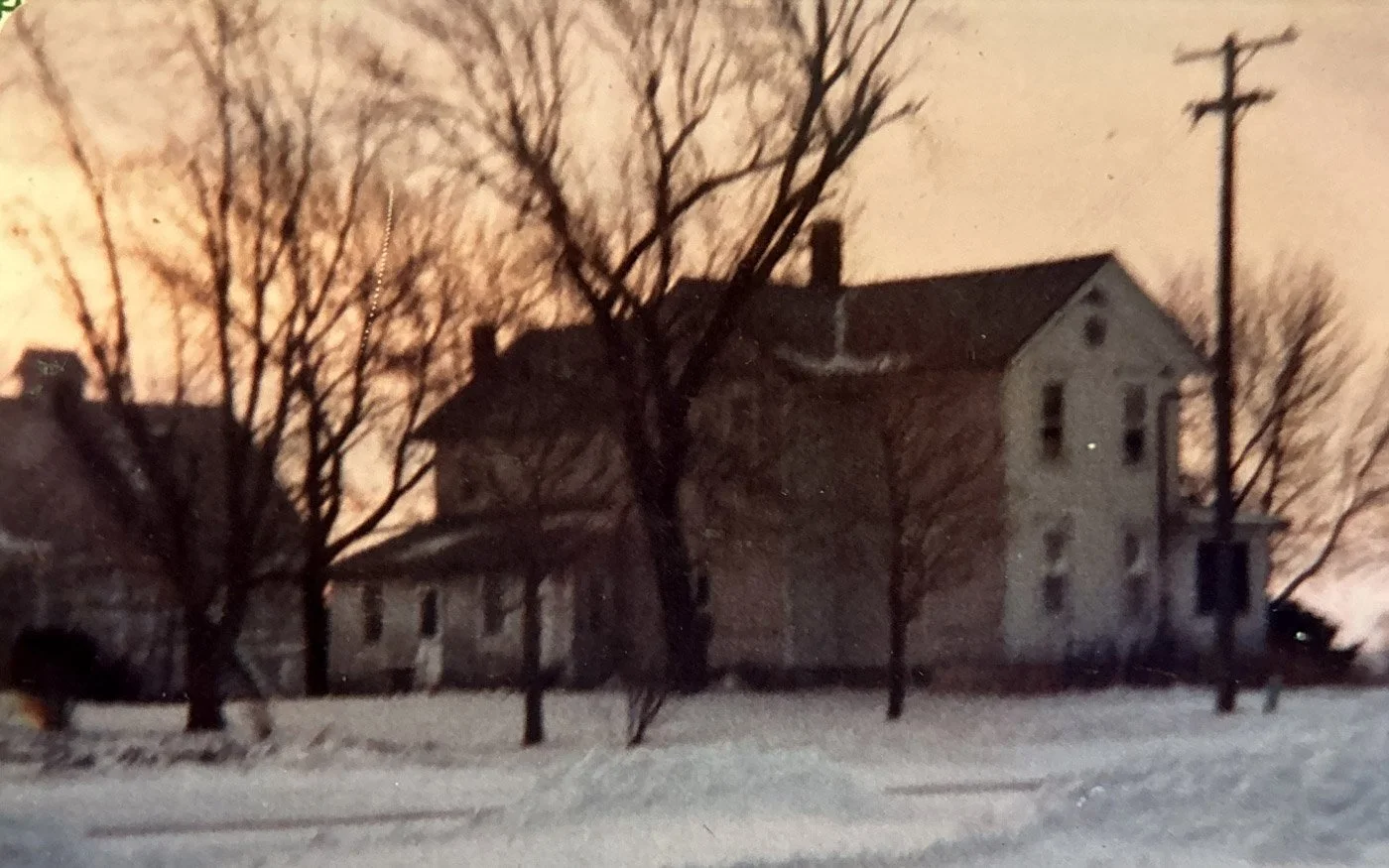
23815 Highway 53, Elwood, IL (Sturm family)

23815 Highway 53, Elwood, IL (Sturm family)
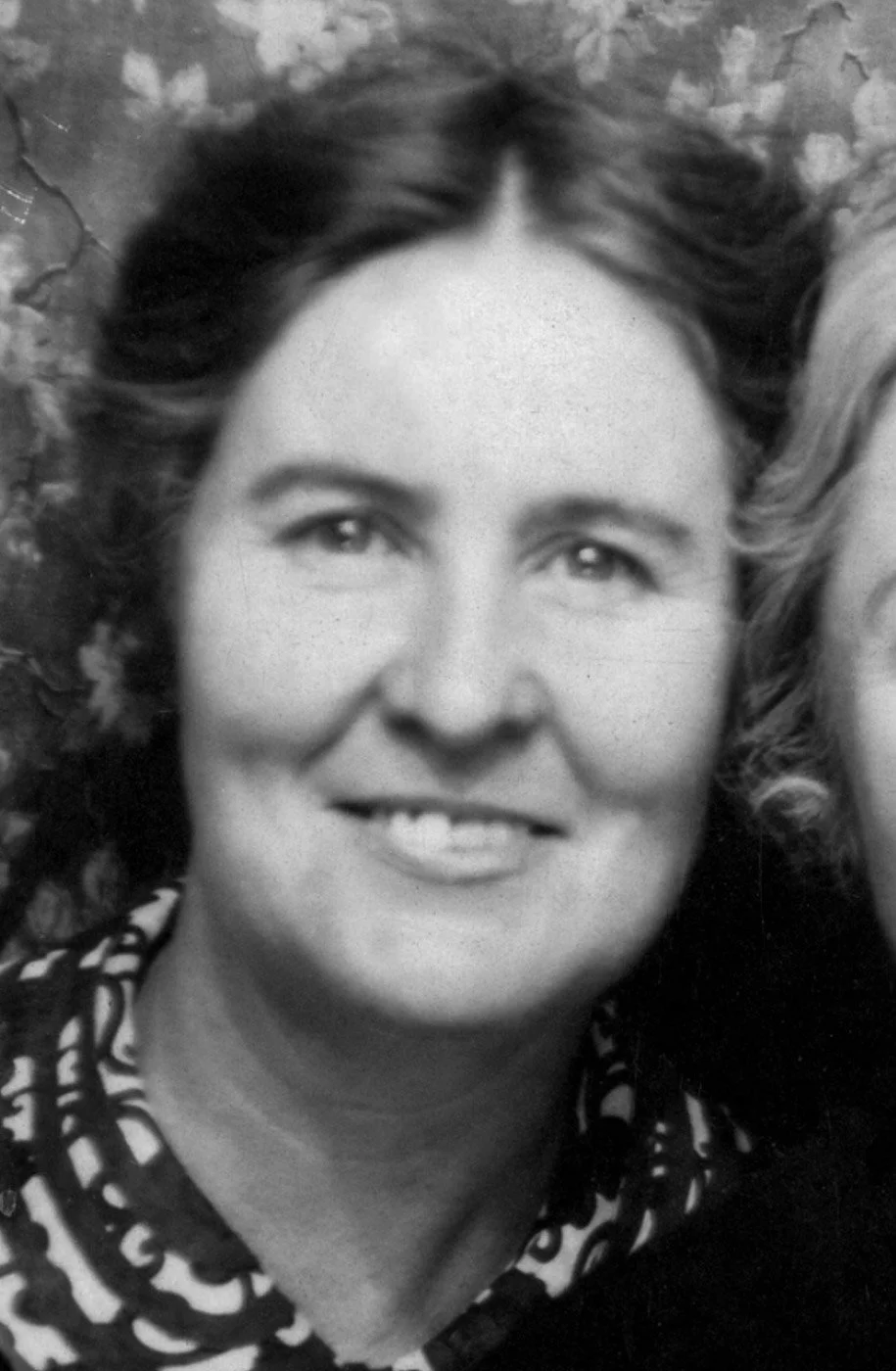
Alice Sturm (ancestry.org)

Alice Sturm, ~40 years old, 4th from left, 1920s or 1930s, with her siblings (Sturm family)
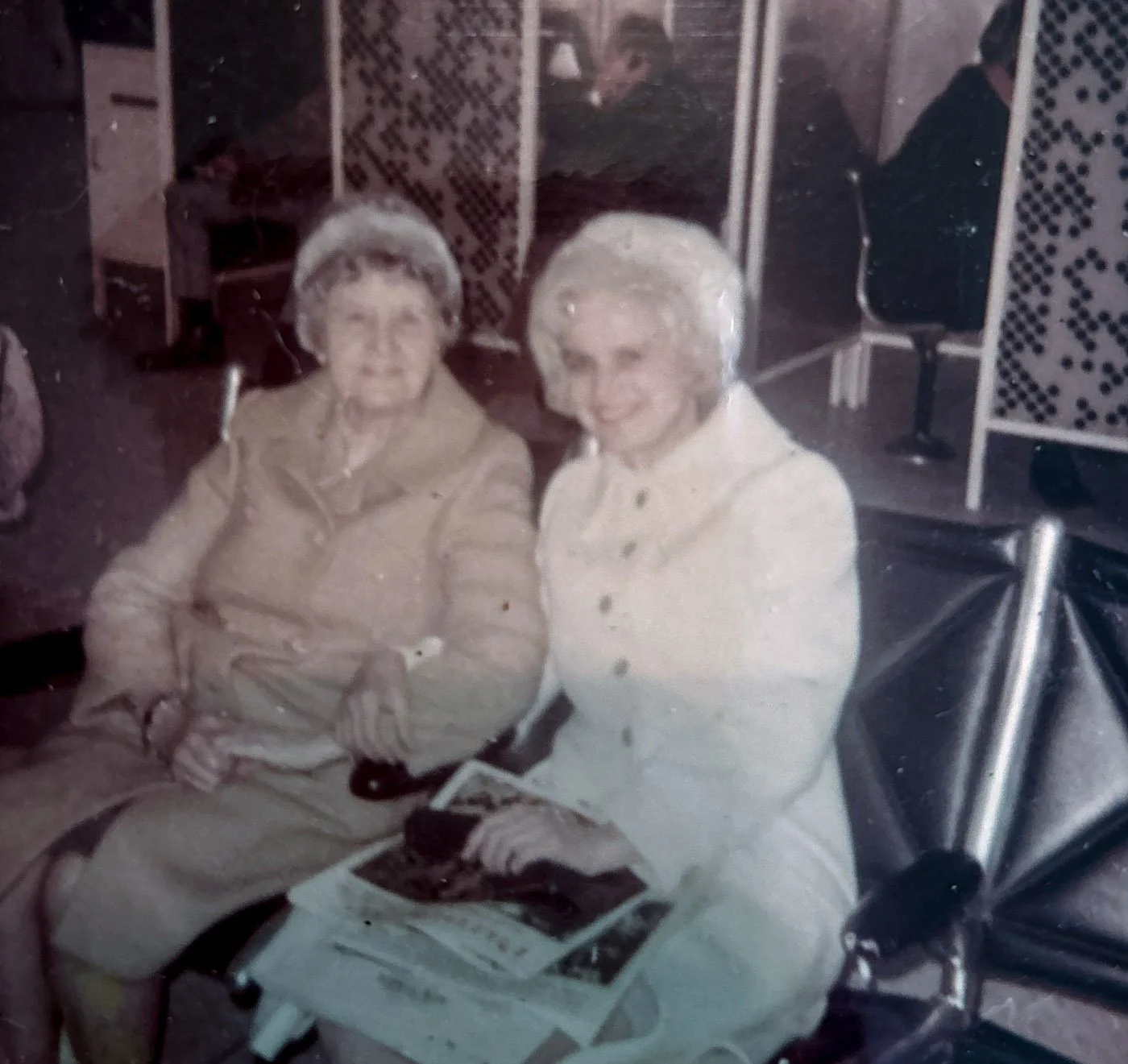
Alice Sturm, ~70 years old, Minola Sturm (Sturm family)
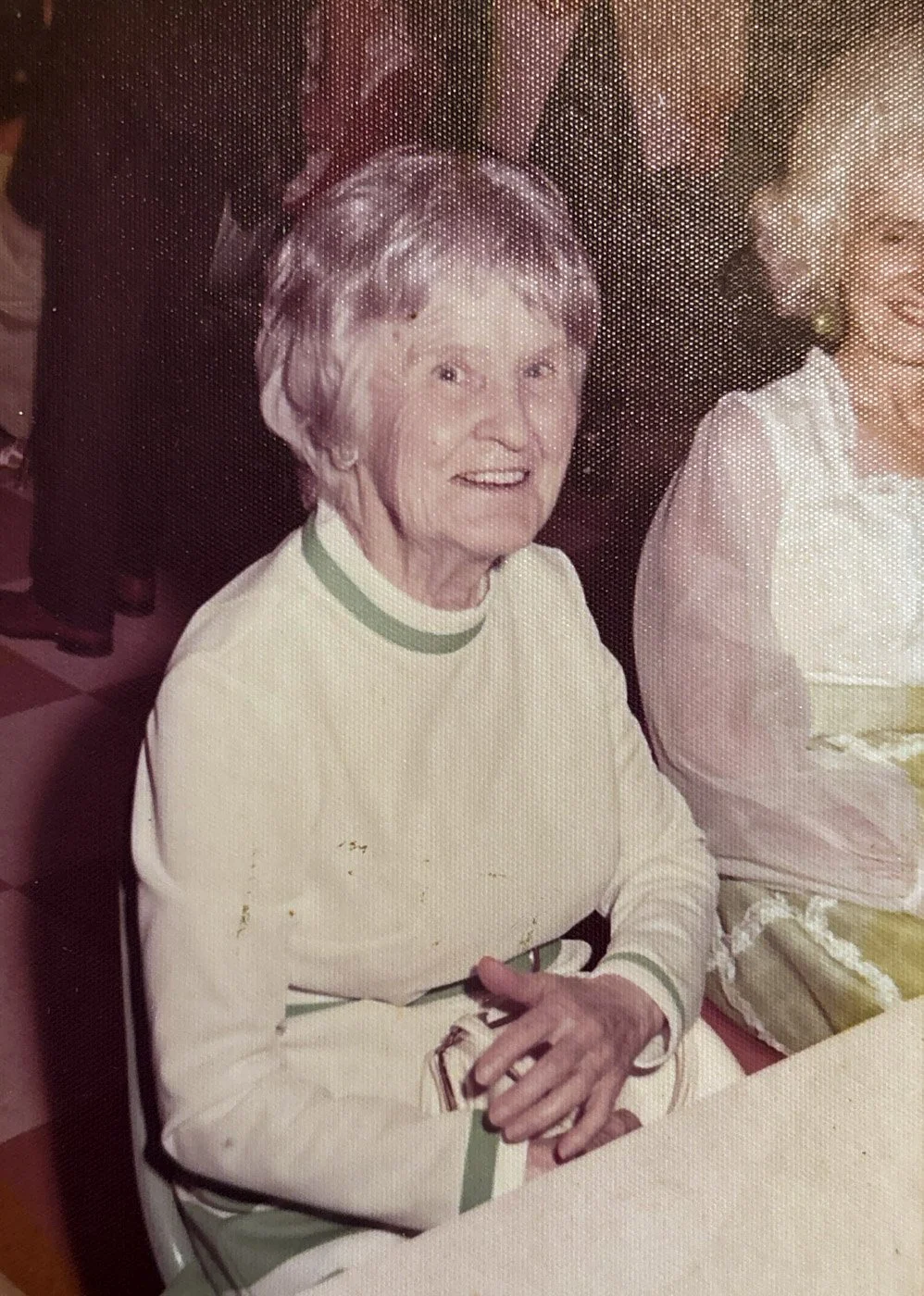
Alice Sturm, Minola Sturm (Sturm family)
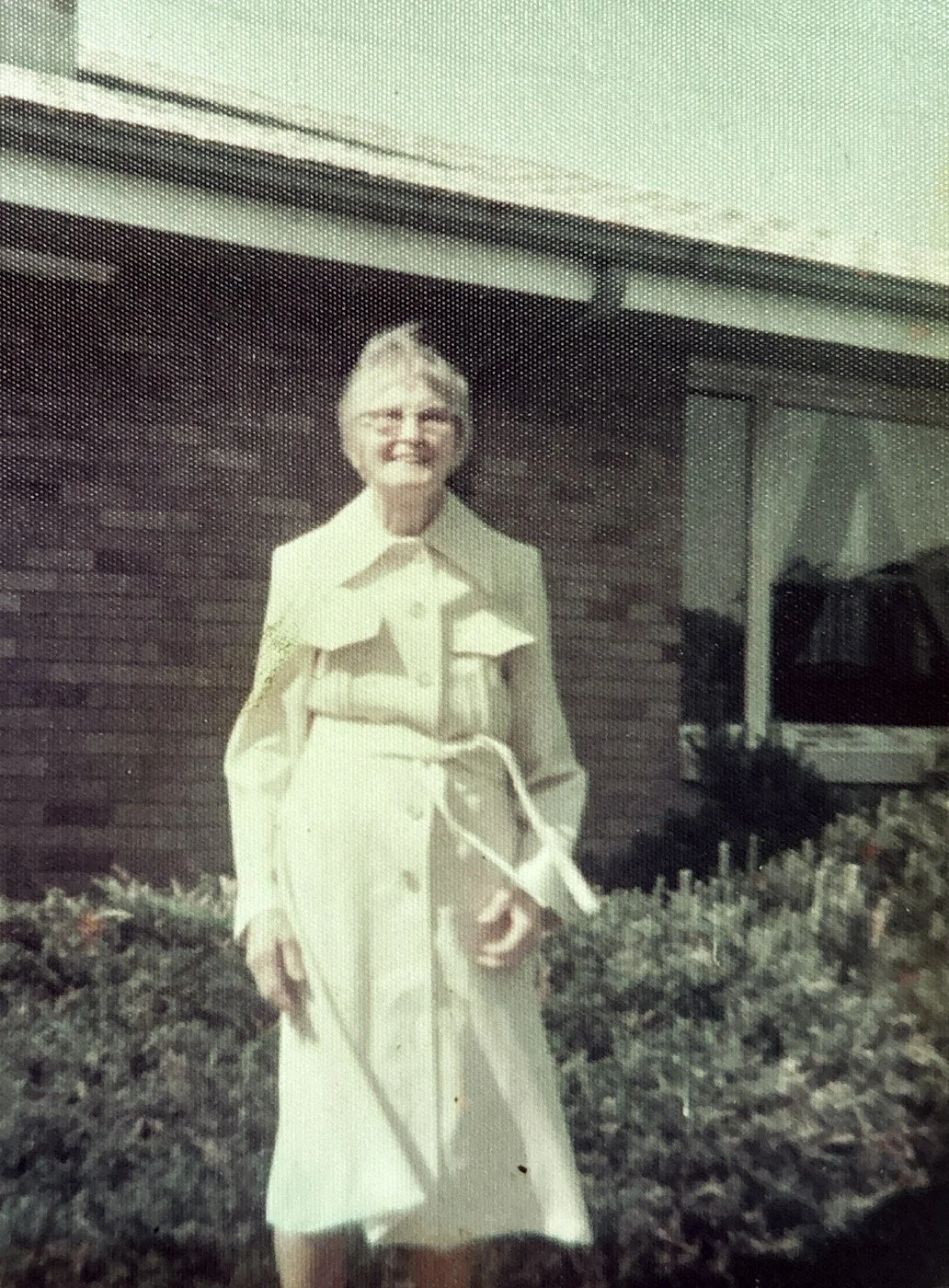
Alice Sturm, ~74 years old (Sturm family)
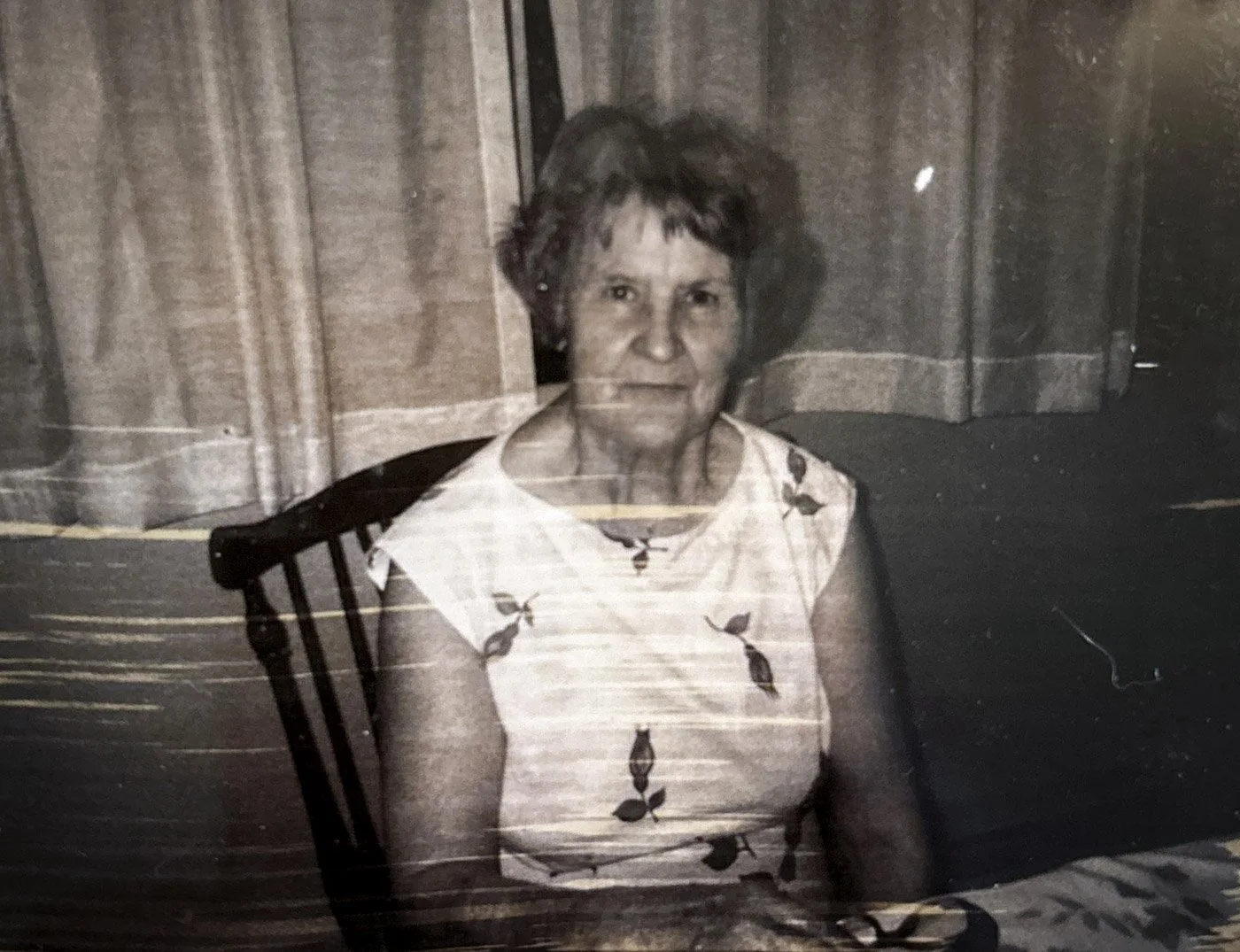
Alice Sturm, ~74 years old, Aug 1967 (Sturm family)
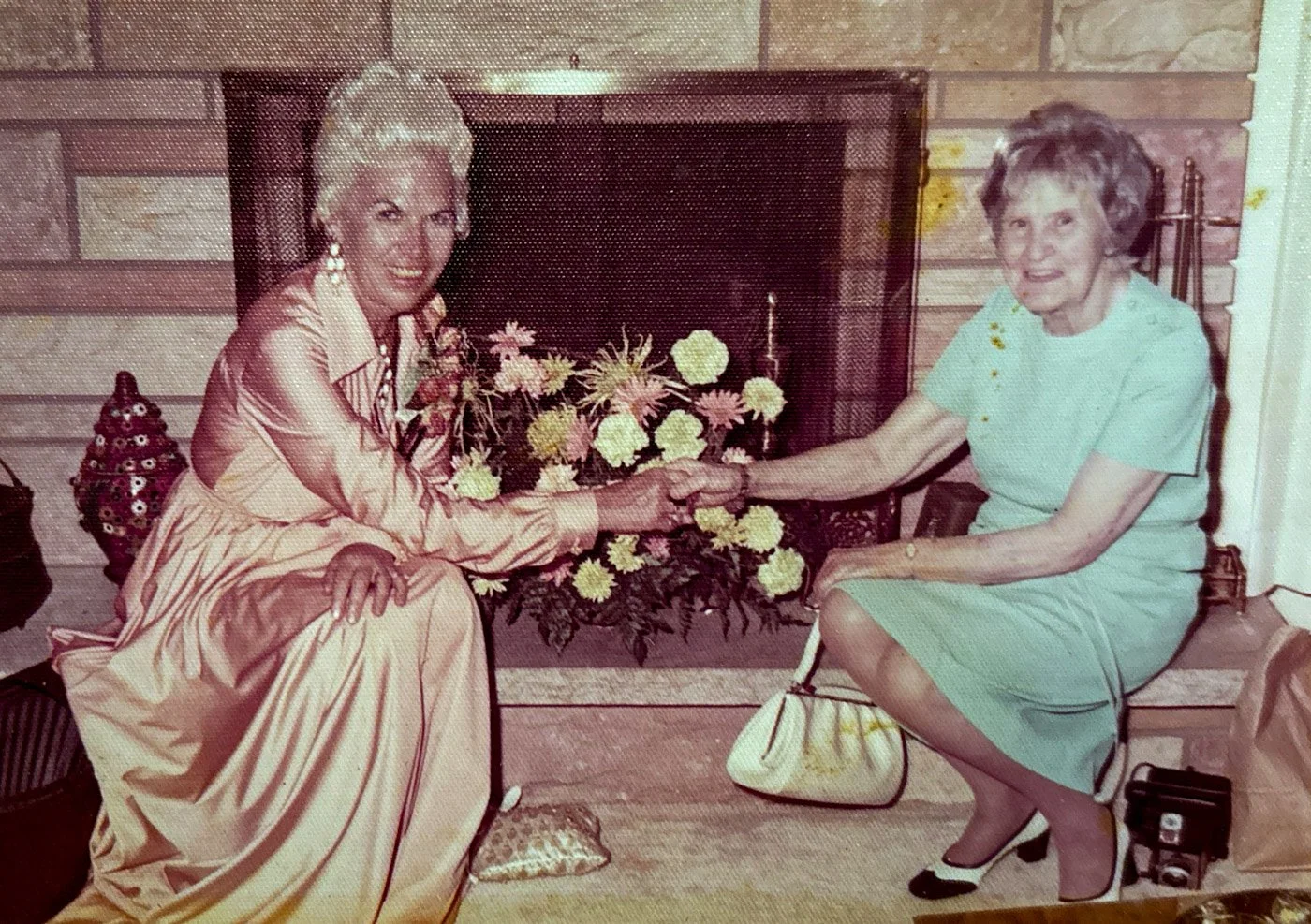
Alice Sturm, ~77 years old (Sturm family) 2
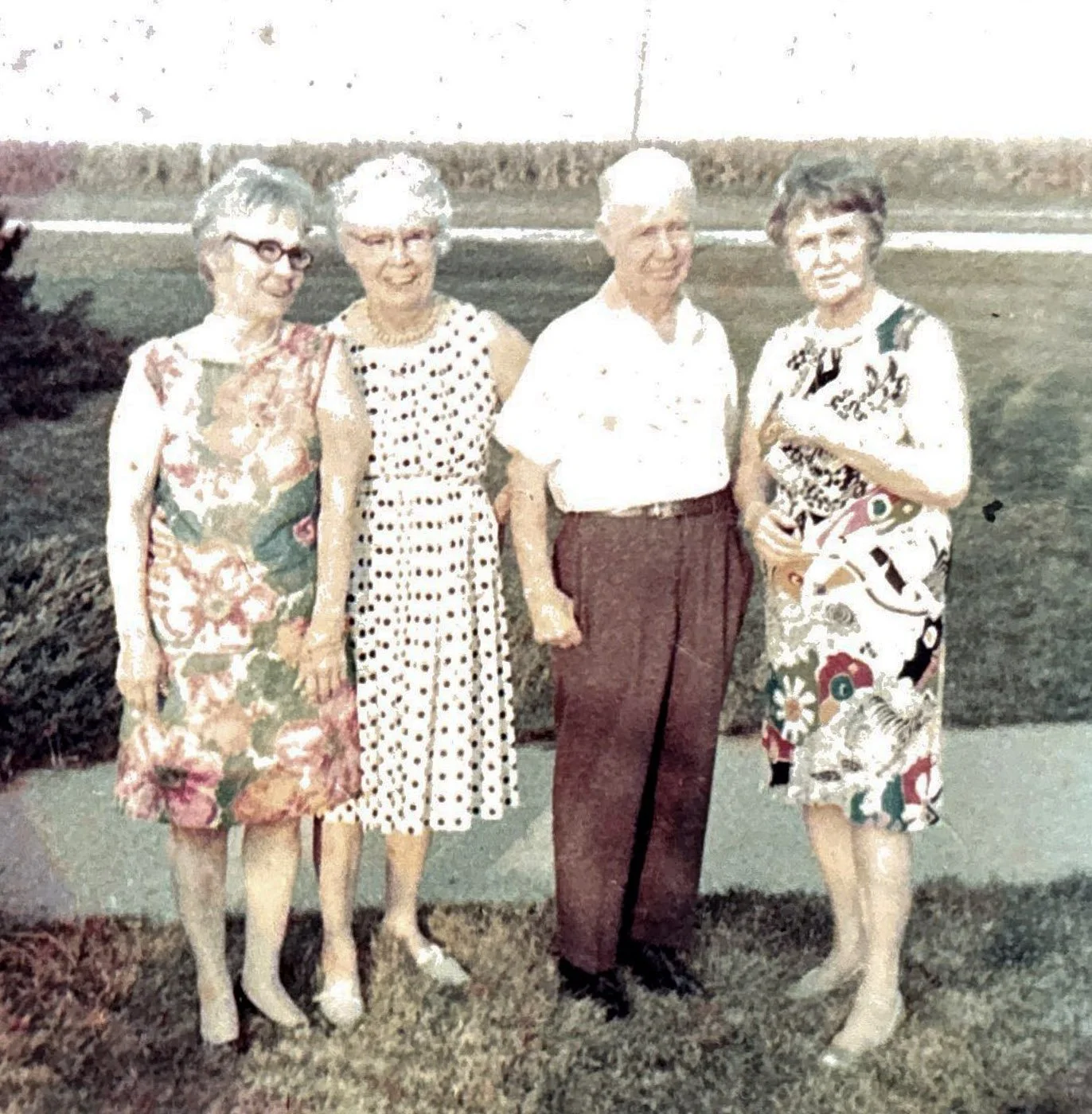
Alice Sturm, ~75 years old, rightmost (Sturm family)
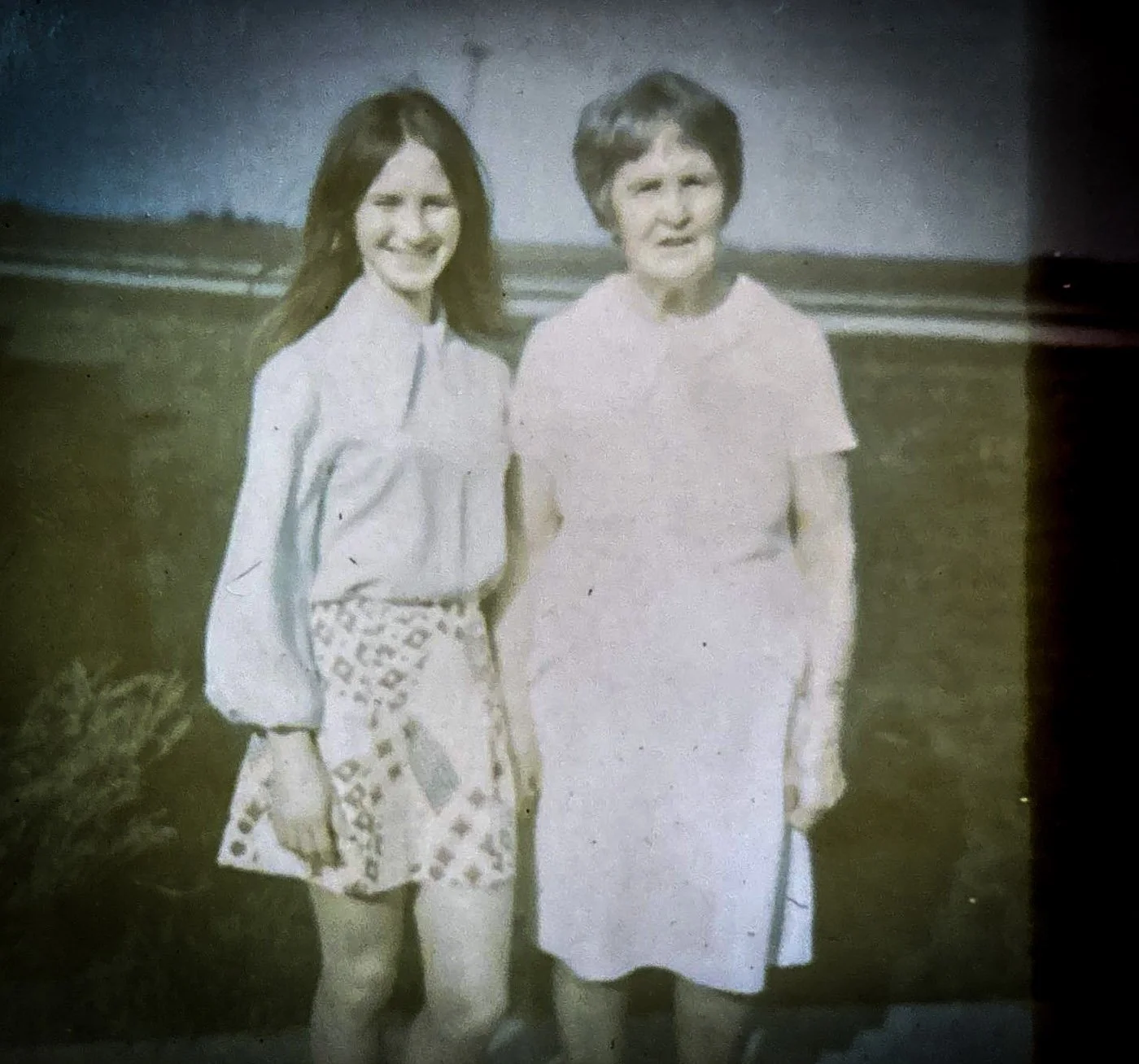
Alice Sturm, ~77 years old, Merrily, ~22 years old (Sturm family)
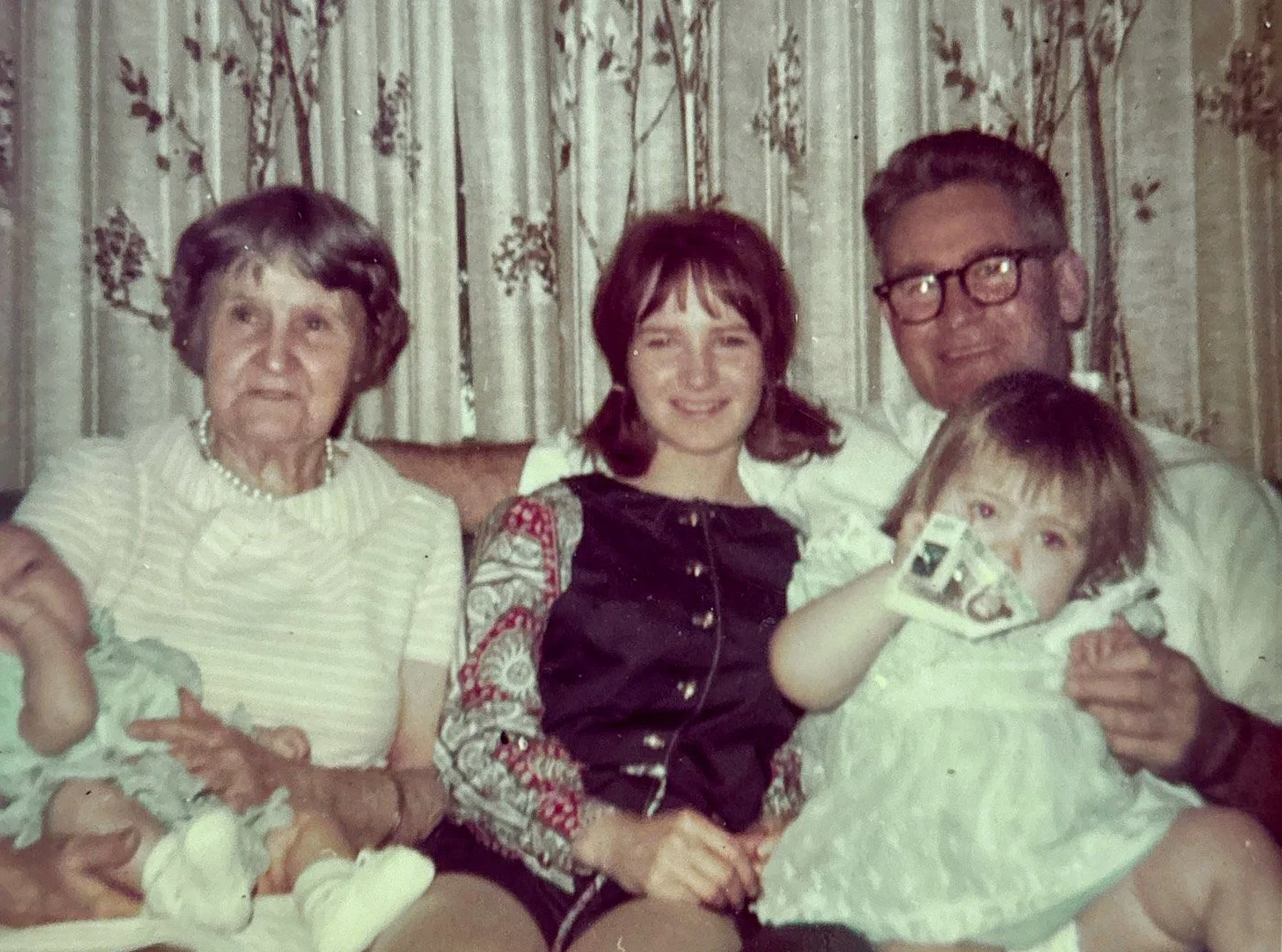
Alice Sturm, ~77 years old, Merrily, John Sturm (Sturm family)
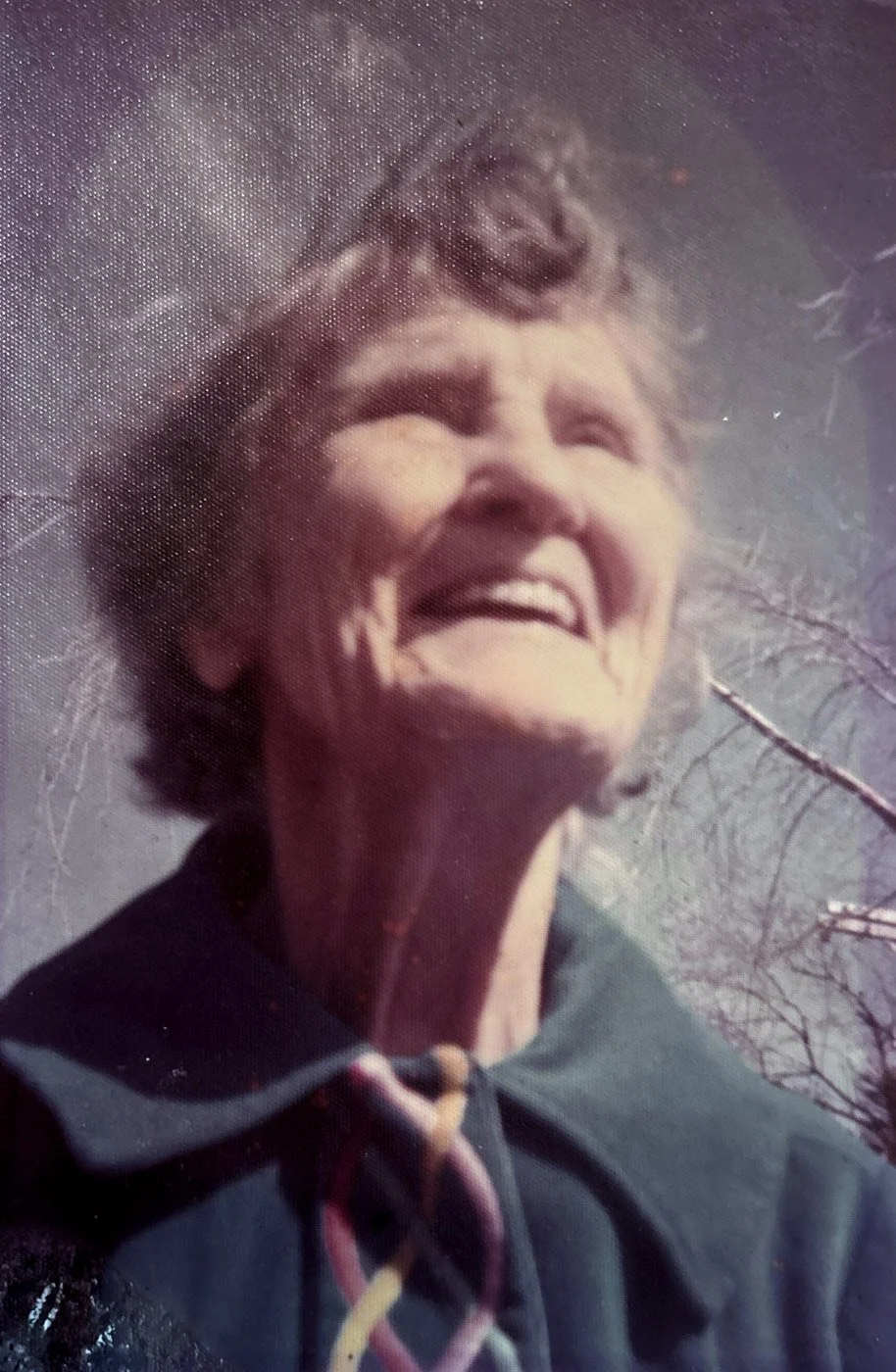
Alice Sturm, ~80 years old (Sturm family)
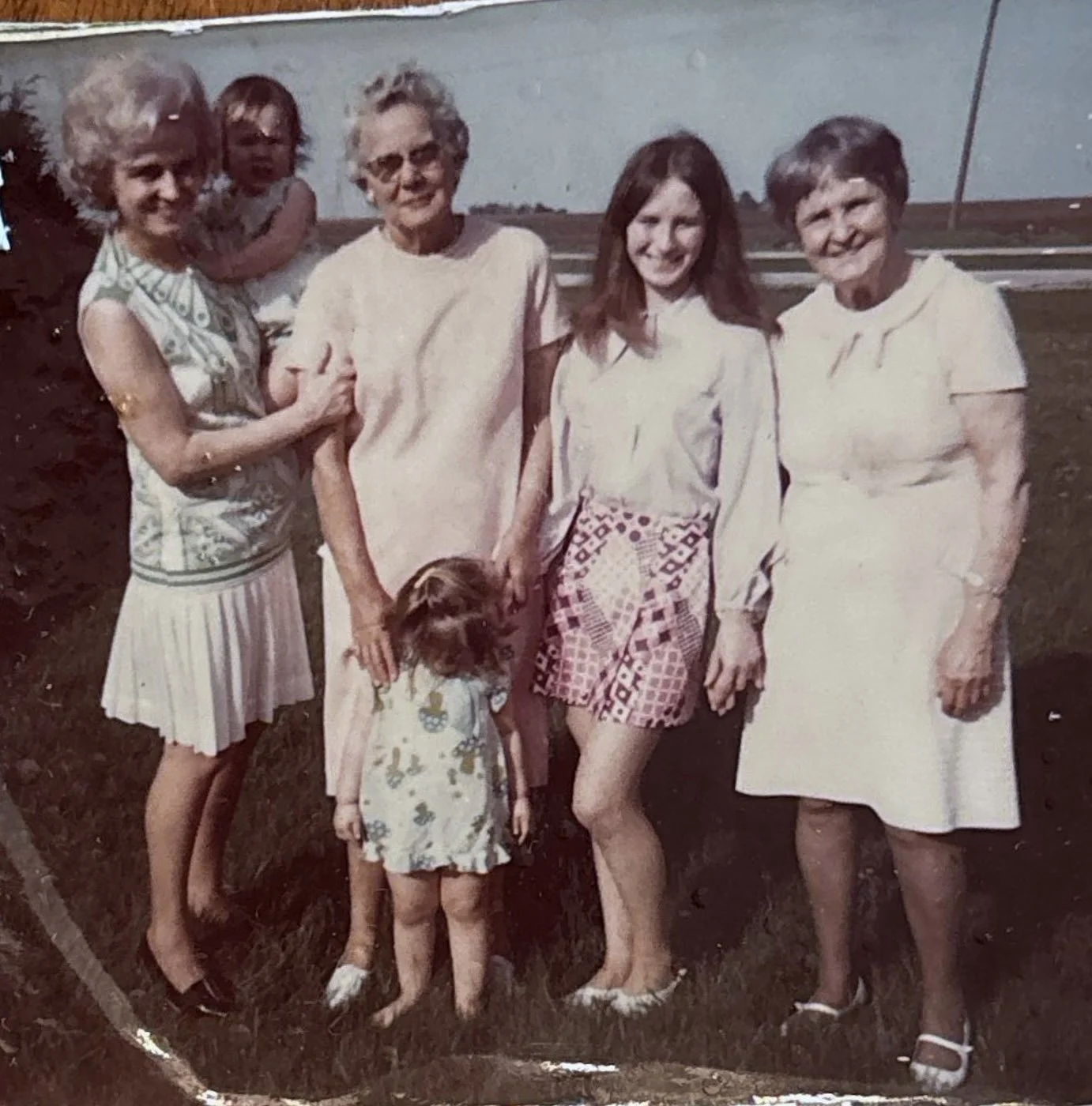
4 generations — Minola Sturm, leftmost, Alice Sturm, rightmost, ~77 years old, May 1970 (Sturm family)
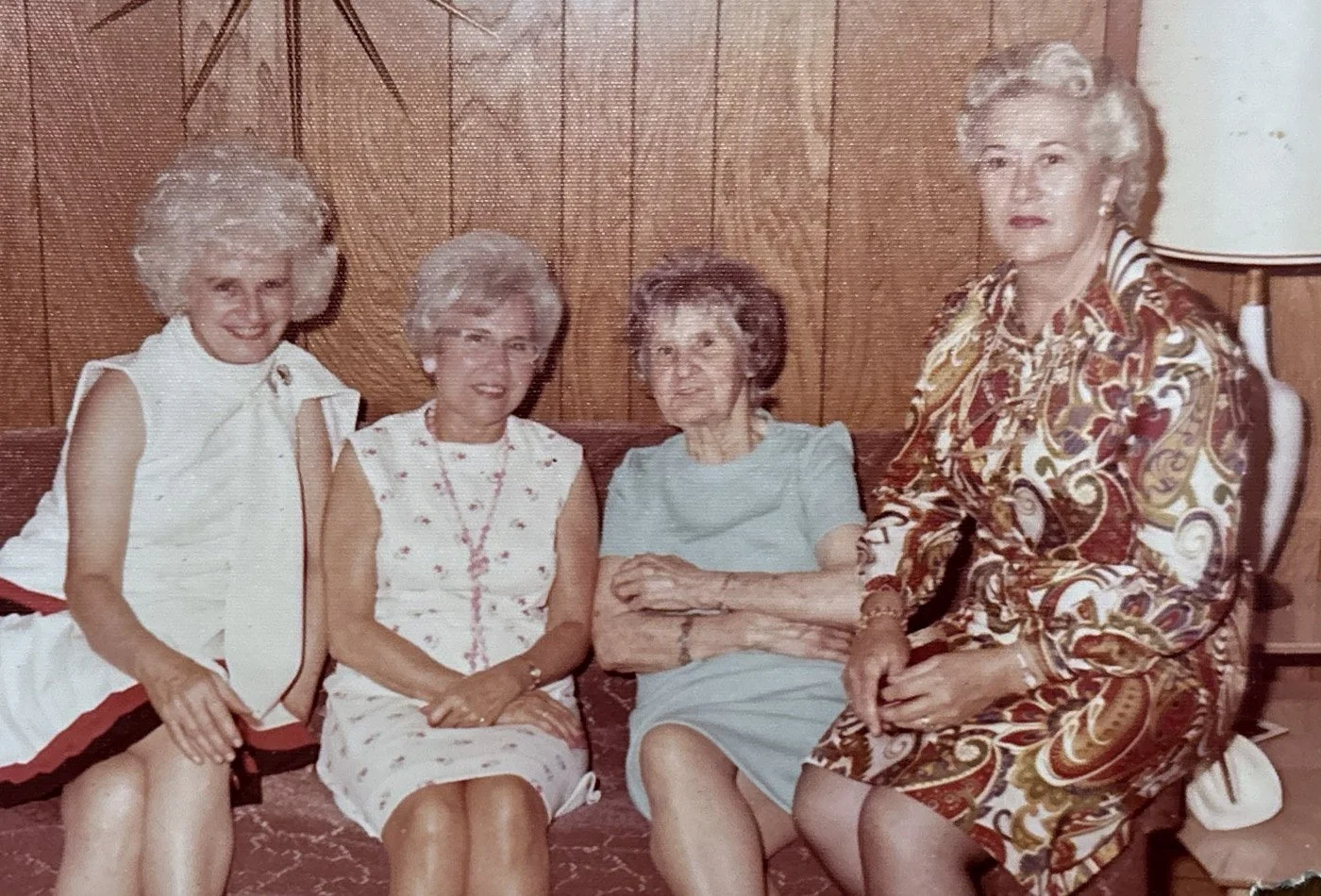
Minola Sturm, leftmost, Alice Sturm, 3rd (Sturm family)
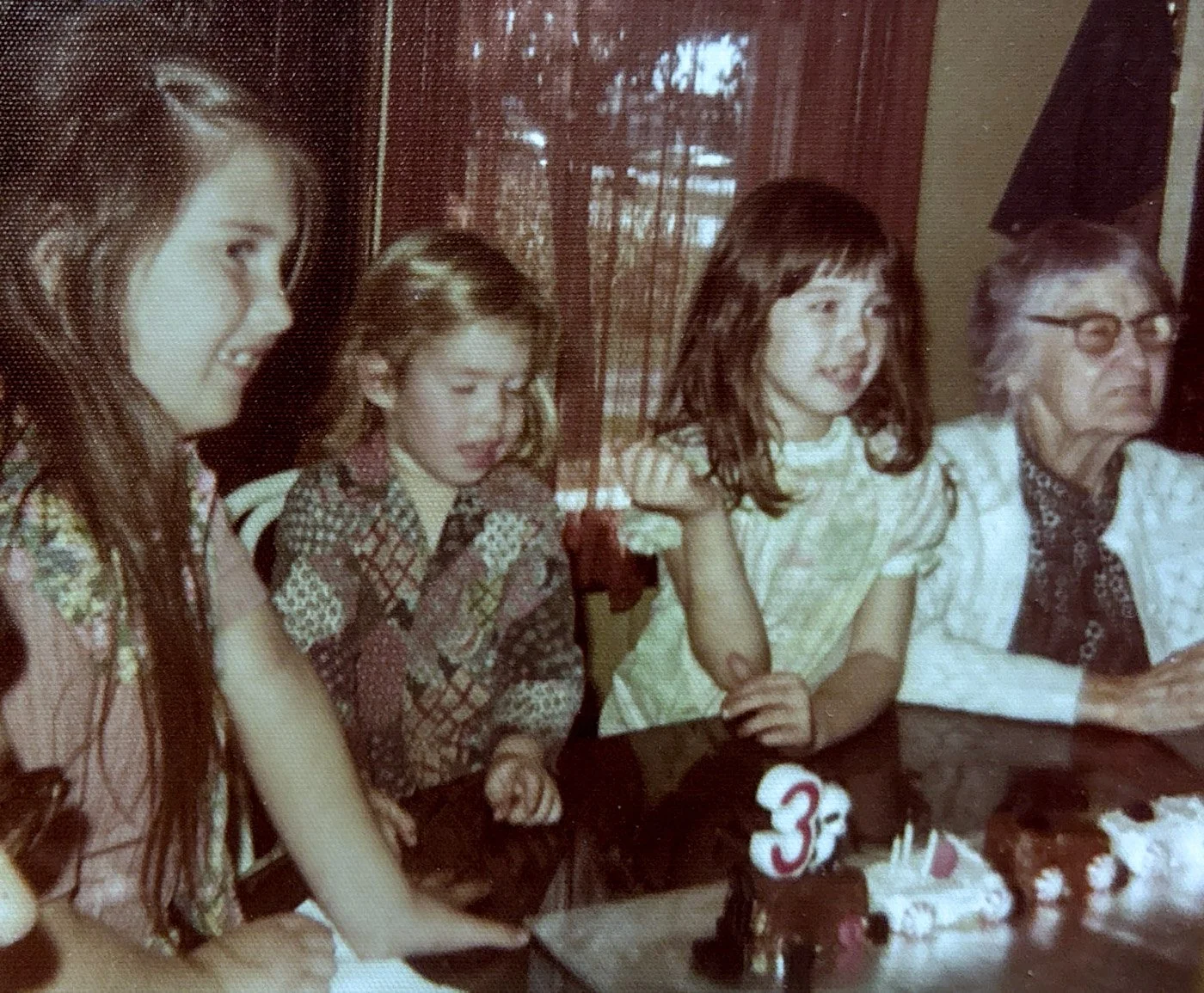
Alice Sturm, ~83 years old, rightmost, Oct 1976, one year prior to her death (Sturm family)
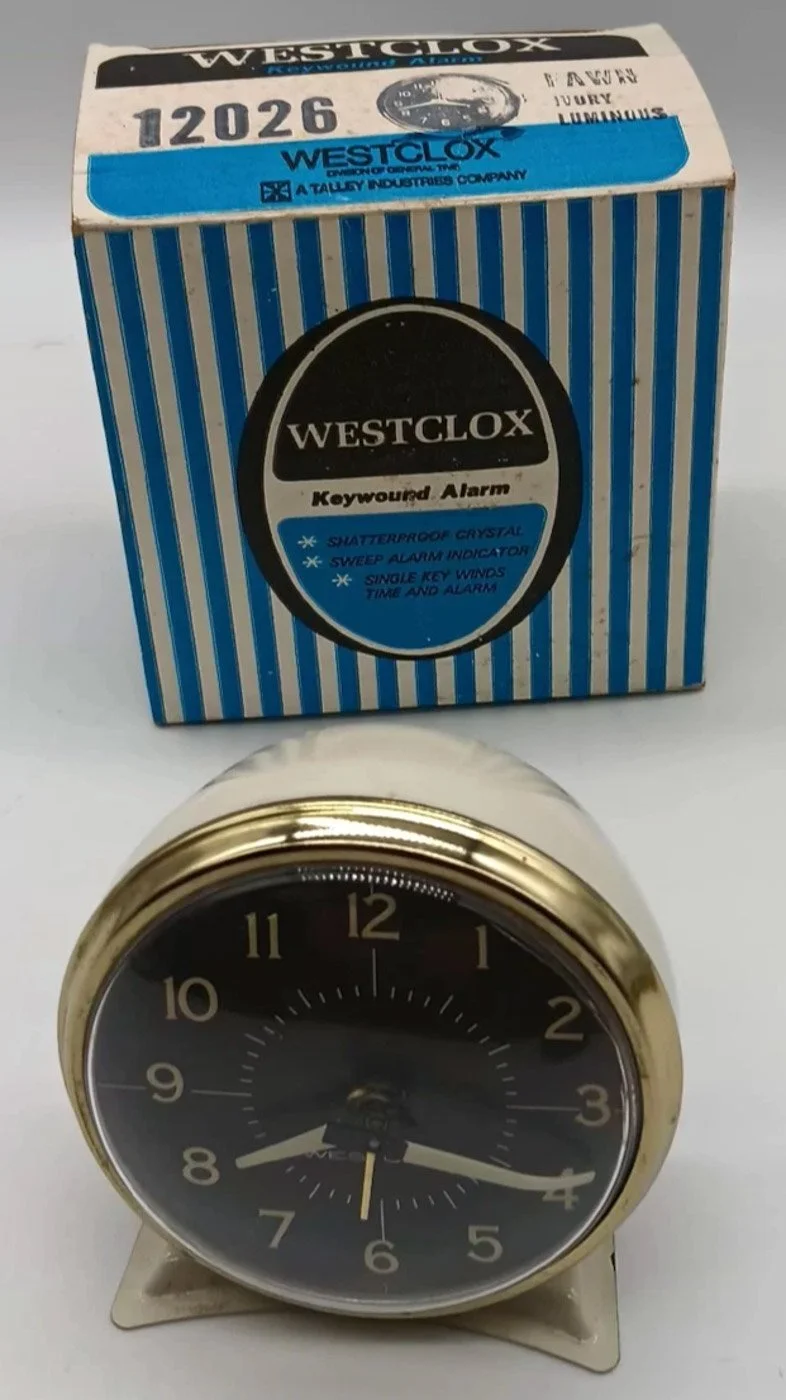
Alarm clock similar to the one Alice Sturm used in her bedroom (ebay.com)
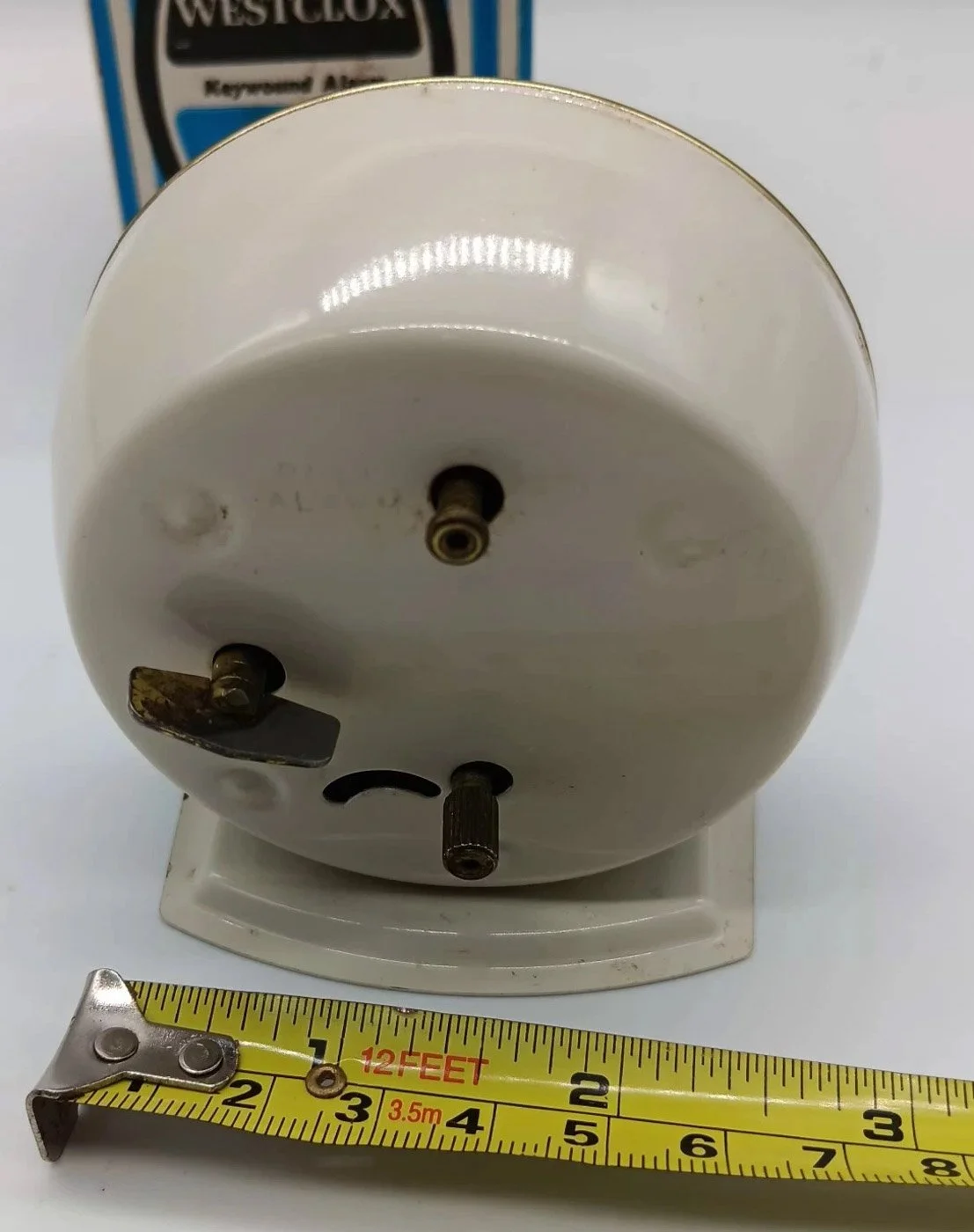
Alarm clock similar to the one Alice Sturm used in her bedroom (ebay.com)

Sheila Harrigan, early 20s (Sturm family)
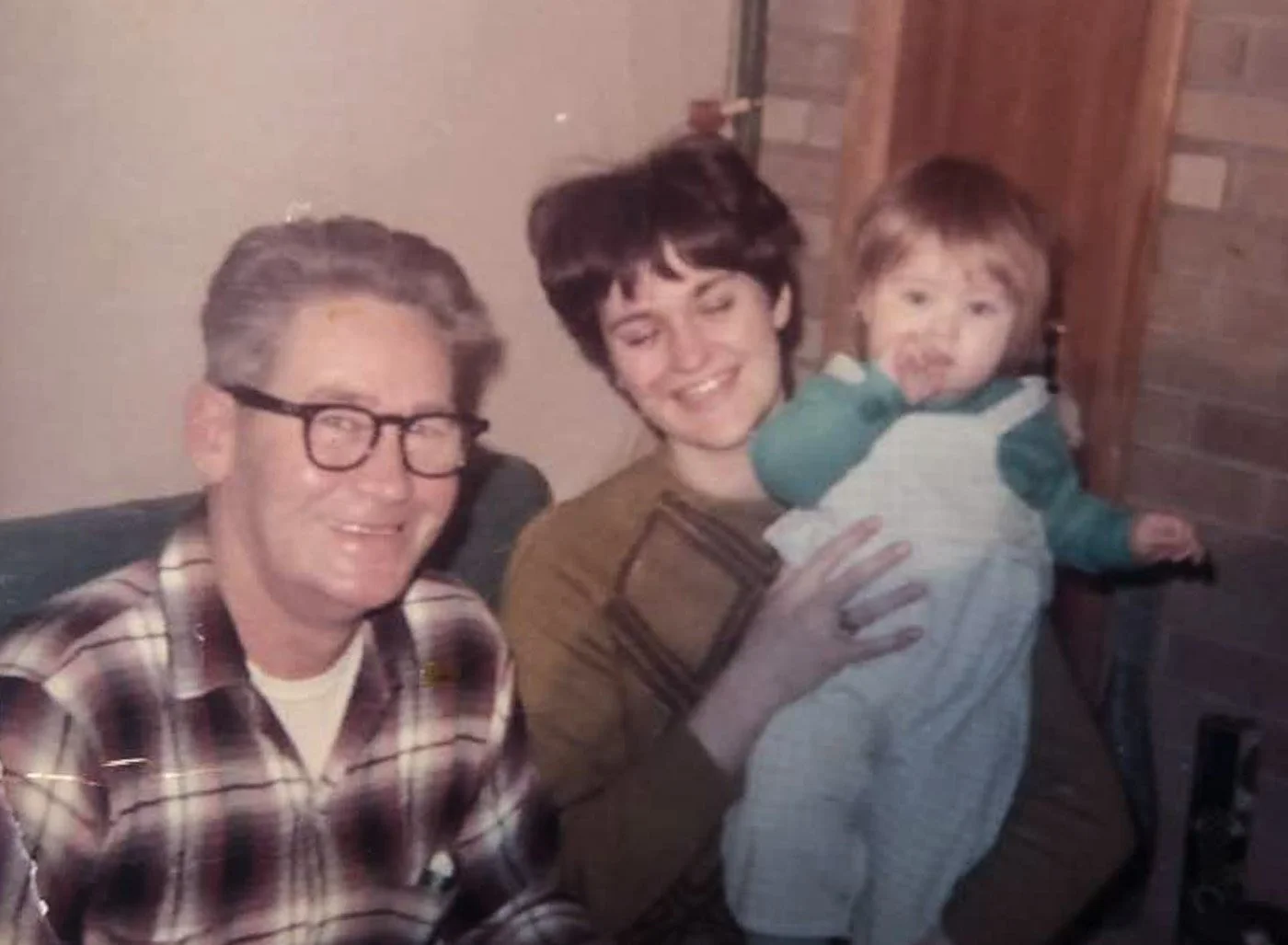
John Sturm, Sheila Harrigan, ~25, in 1969 (Sturm family)
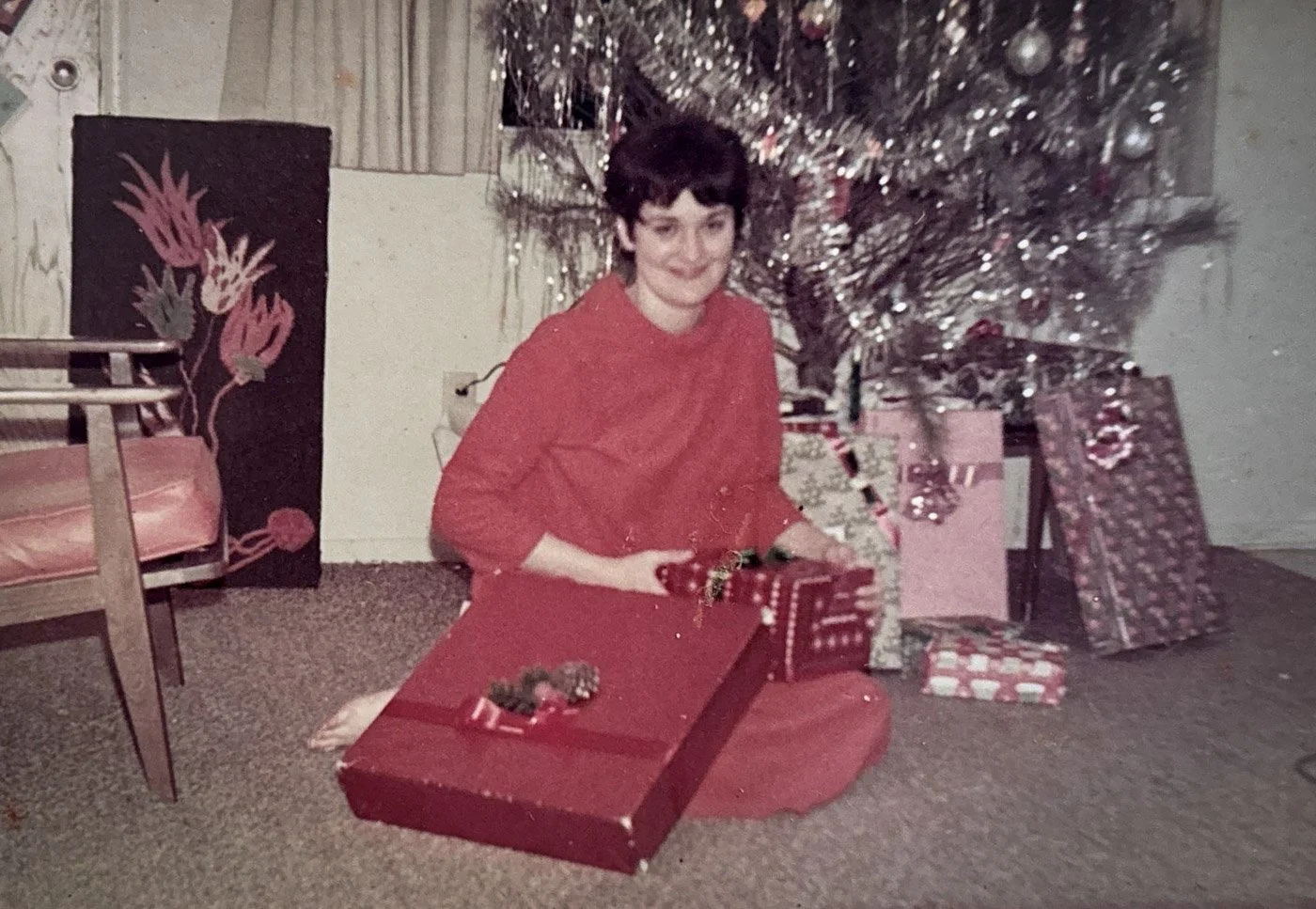
Sheila Harrigan, late 20s (Sturm family)

Sheila Harrigan, ~50 years old

Oil painting by Sheila Harrigan (Sturm family)

Oil painting by Sheila Harrigan (Sturm family)
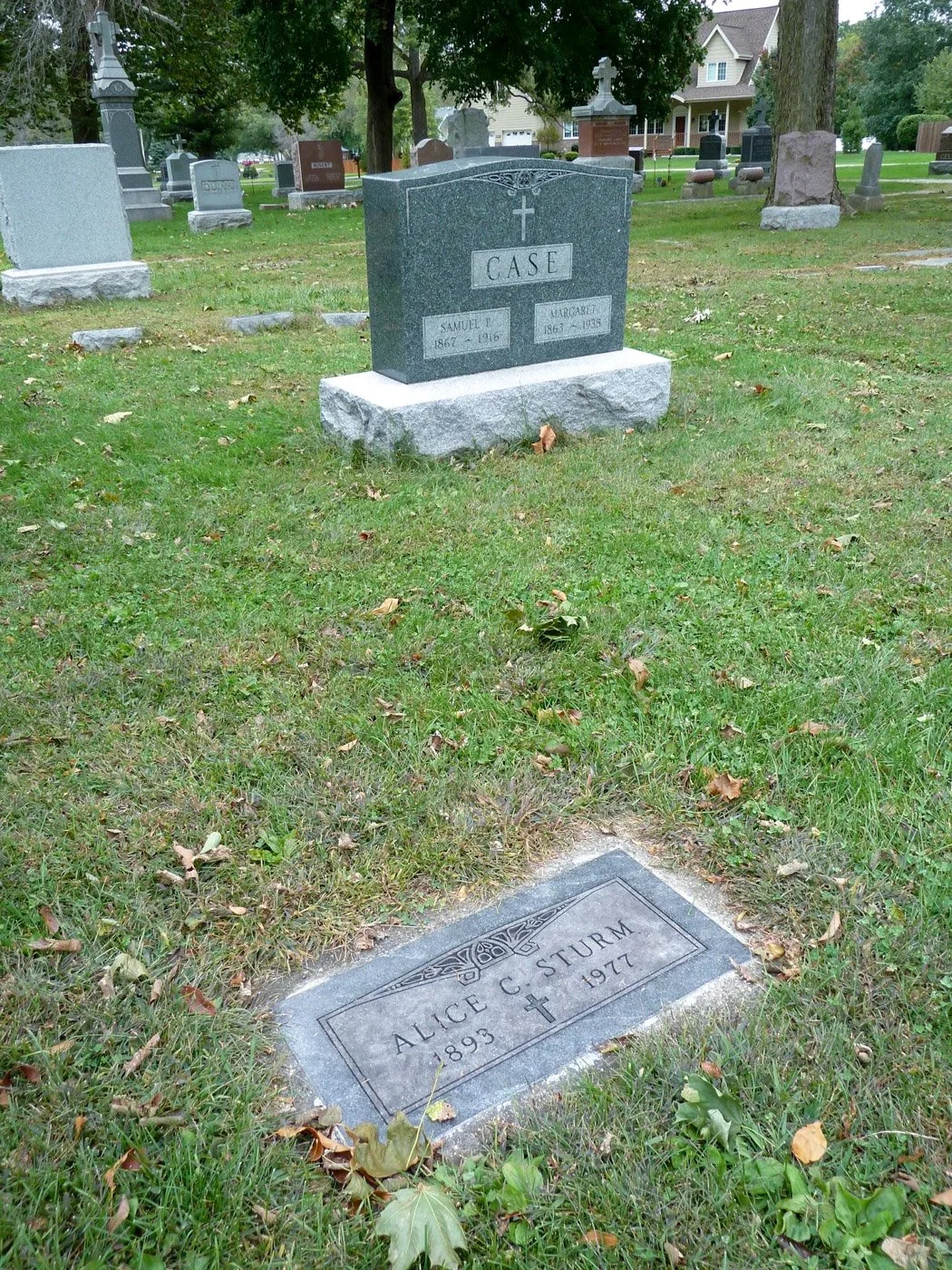
Alice Sturm’s gravestone (findagrave.com)
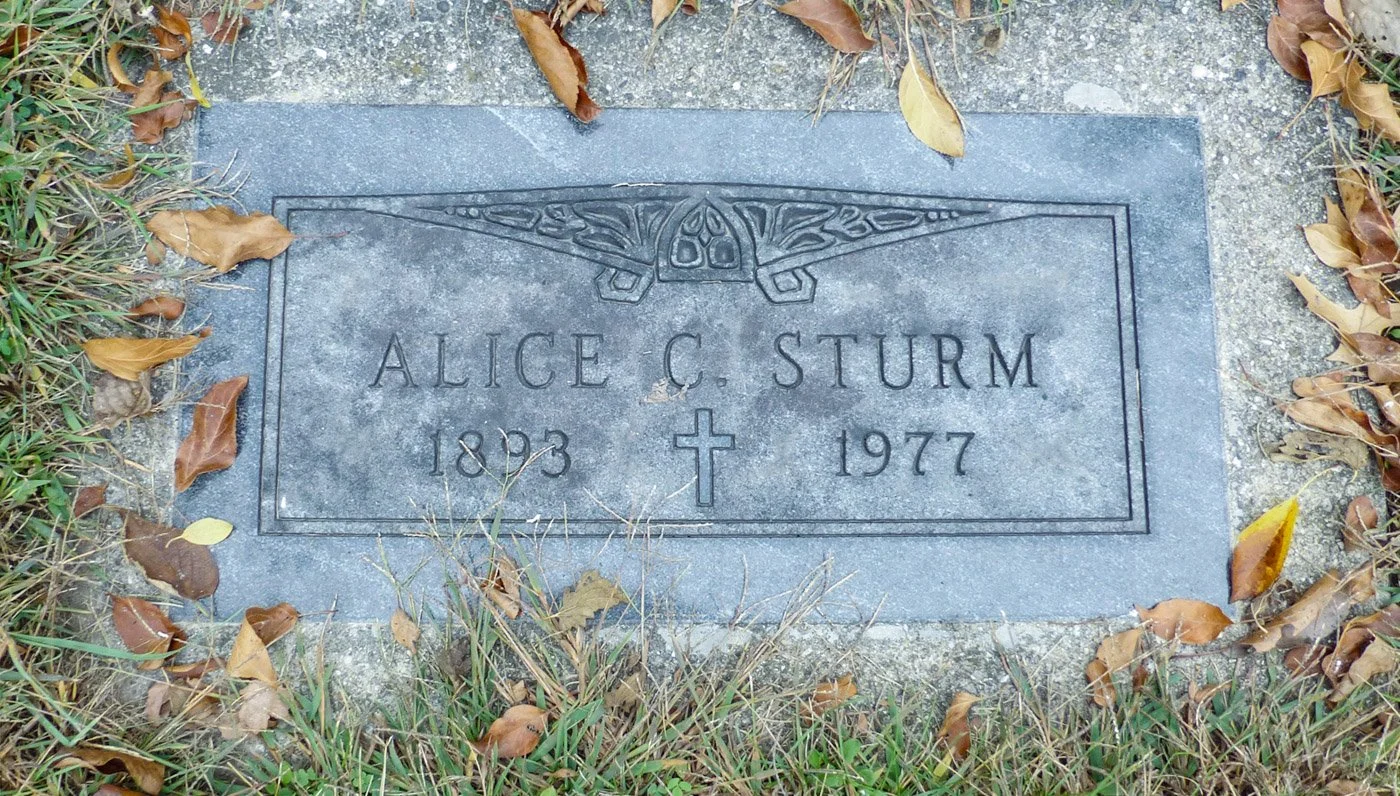
Alice Sturm’s gravestone (findagrave.com)
Alice Sturm’s gravestone (findagrave.com)
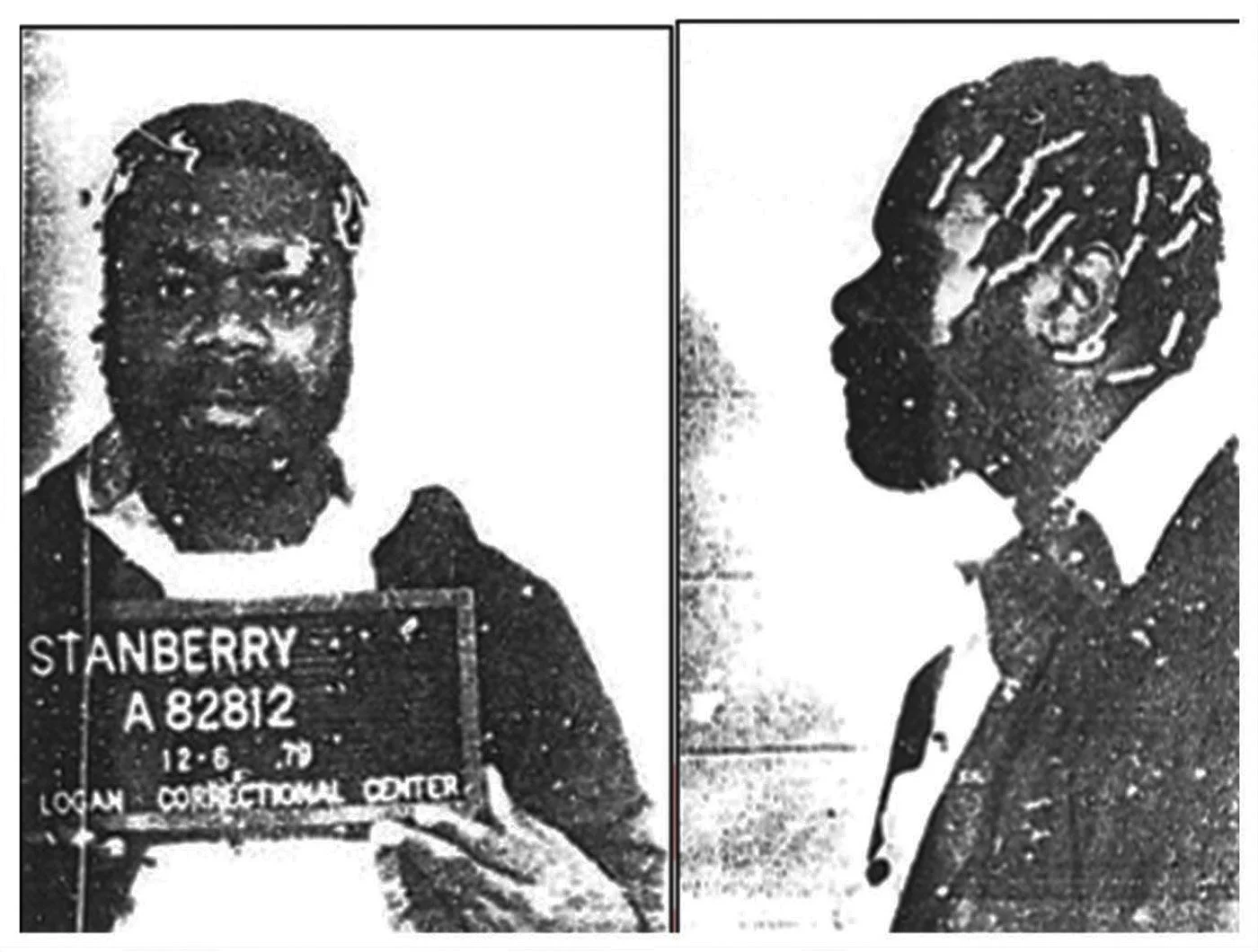
Earnest Stanberry / Ernest Gable, mug shot, Dec 6, 1979 (NH AG's report)
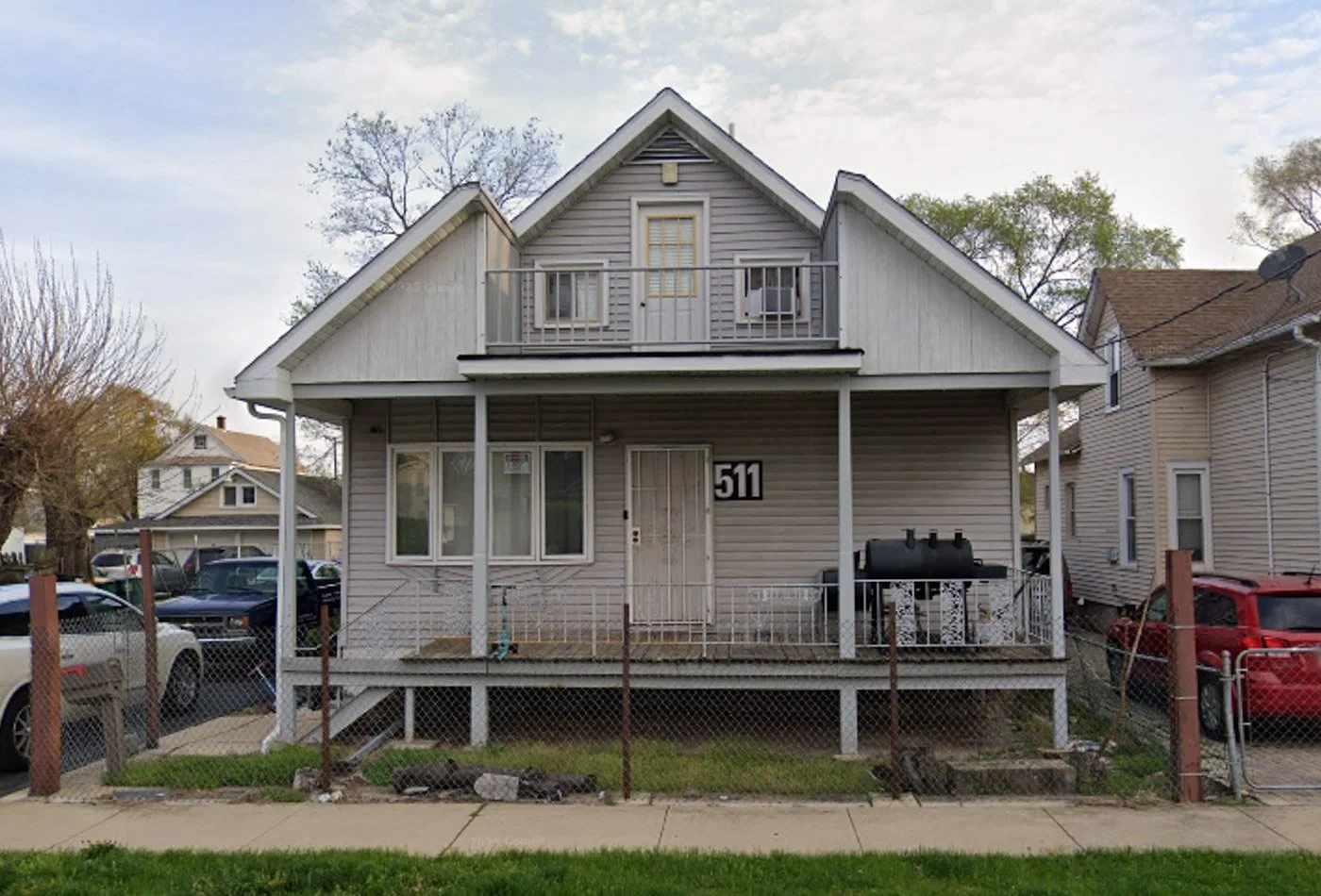
511 Chase Ave, Joliet, IL, where Earnest was staying at the time of Alice Sturm’s death (Google Maps)
Sources For This Episode
Mentioned in this episode: The Murder of Judy Lord: Cold Case Solved
Original reporting by Murder, She Told
Newspaper articles
Various articles from Farmer's Weekly Review, Gardner Chronicle, Herald News, and the Manhattan American, here.
Written by various authors including Denise Baran-Unland, John Walker, and Mary Bernhard.
Official documents from Will County Coroner’s Office
Inquest summary (10-26-77, 1 page)
Witness transcripts (10-26-77, 11 pages)
Jury's conclusion (10-26-77, 1 page)
Autopsy report (09-24-77, 5 pages)
Official documents from Will County Sheriff’s Office
Report by Lucenti (09-24-77, 3 pages)
Report by Watters (09-27-77, 4 pages)
Report by Pedersen (09-26-77, 4 pages)
Report by Rathbun, Ernest Stanberry interview (09-24-77, 2 pages)
Report by Gans (09-26-77, 1 page)
Report by Anderson (09-24-77, 25 pages)
Report by Rapp, John Sturm interview (09-26-77, 5 pages)
Report by Rapp, Minola Sturm interview (09-26-77, 5 pages)
Report by Gans (09-26-77, 1 page)
Report by Anderson, autopsy (09-24-77, 3 pages)
Report by Gans (09-27-77, 1 page)
Report by Watters, Sheila Harrigan interview (09-29-77, 7 pages)
Report by Watters, Ernest Stanberry interview (09-29-77, 3 pages)
Report by Anderson (10-01-77, 1 page)
Report by Pedersen, arrest of Sheila Harrigan (10-18-77, 1 page)
Report by Watters (10-31-77, 3 pages)
Interviews
Many thanks to Kristi, Alice Sturm’s great-granddaughter, for speaking with us, and to Merrily, Alice Sturm’s granddaughter.
Thanks as well to Sgt. Mike Earnest with the Will County Sheriff’s Office, for speaking with us.
Photos
Photos as credited above.
Credits
Research, vocal performance, and audio editing by Kristen Seavey
Research, photo editing, and writing by Byron Willis
Research by Chelsea Hanrahan, research support by Ericka Pierce and Kimberly Thompson.
Special thanks to Steven Wright, the Curator of the Joliet Area Historical Museum
Murder, She Told is created by Kristen Seavey.